Tag: shopify fraud prevention
Viewing posts tagged under: shopify fraud prevention
 shopify fraud prevention
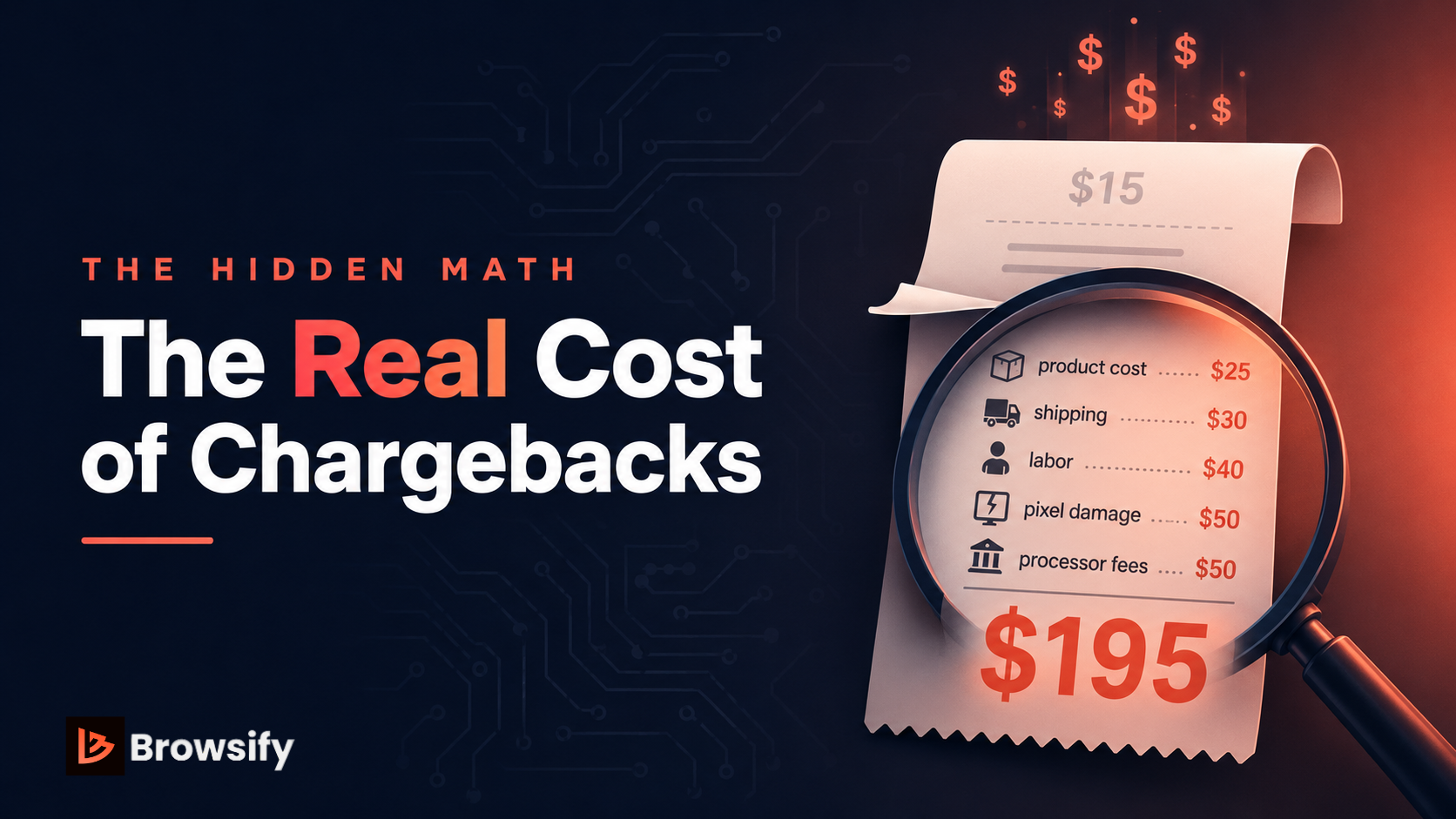
The Real Cost of Chargebacks: What Shopify Merchants Don't Calculate
The number you see on your Shopify chargeback notification is $15. That's the dispute fee Shopify charges when a customer files a chargeback against your store. If you win the dispute, you might get it back. But $15 is the visible number. The actual cost of a single chargeback is dramatically higher and most merchants never add up the full picture.

 shopify fraud prevention
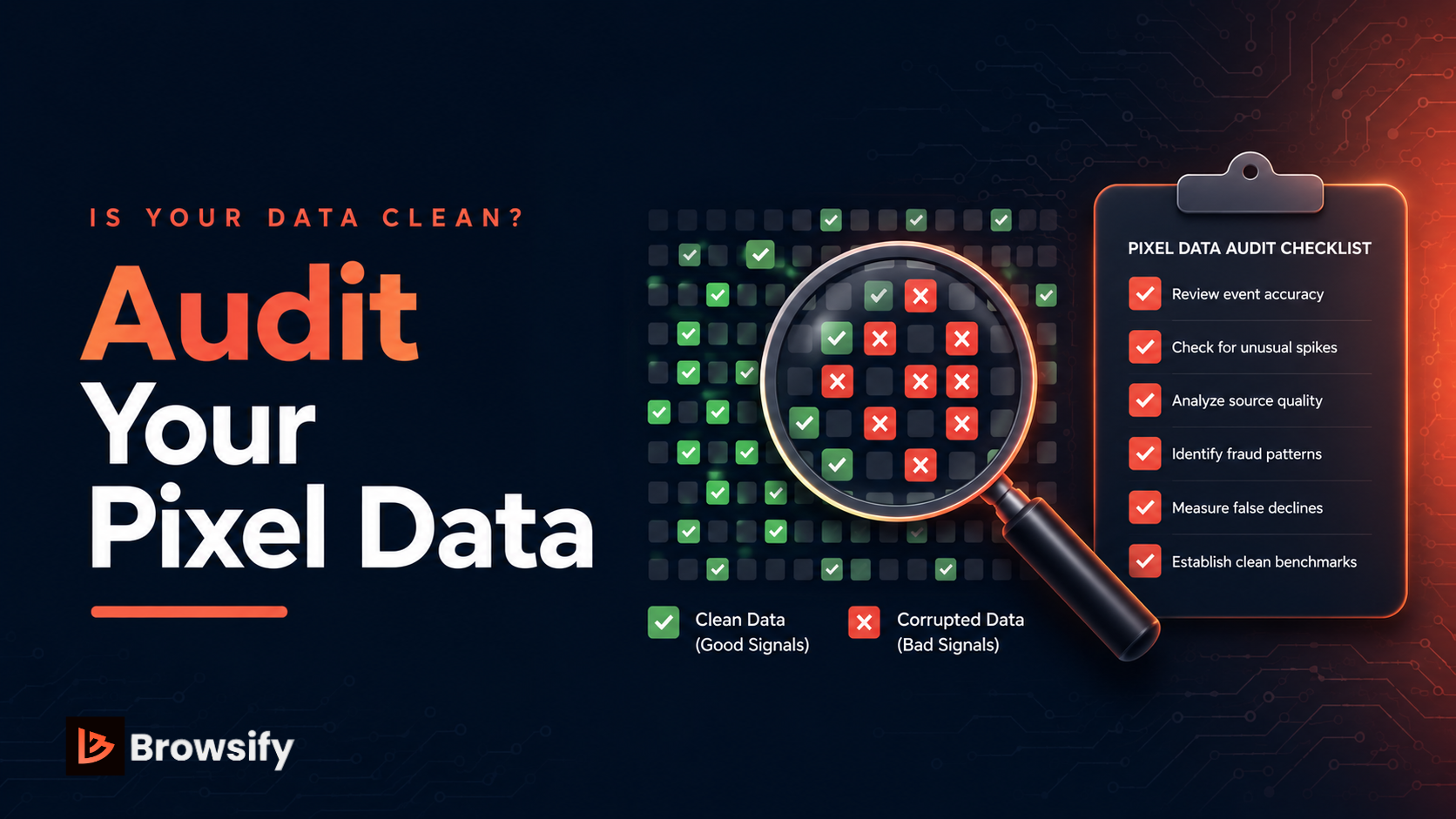
How to Audit Your Ad Pixel Data for Fraud Pollution (Step-by-Step)
You've read about pixel pollution. You know fake orders can corrupt your ad data. But how do you know if it's actually happening to your store? This guide walks through a practical audit you can run today no special tools required, just your Shopify admin, Meta Events Manager (or Google Ads dashboard), and about 30 minutes. By the end, you'll know whether your pixel data is clean or compromised, and how badly.
 shopify fraud prevention
Why IP Blocking Is Dead: The Case for Device Fingerprinting
For years, IP blocking was the standard answer to fraud on Shopify. A suspicious order comes in from 185.220.101.42. You block that IP. Problem solved or so it seemed. In 2026, IP blocking is the equivalent of locking your front door while leaving every window open. Fraudsters know it's there, and they walk right past it. Here's why and what actually works instead.
 shopify fraud prevention
Best Shopify Fraud Prevention Apps in 2026 An Honest Comparison
Shopify's built-in fraud tools catch some obvious cases, but they leave significant gaps especially for stores running paid ads where every fake order corrupts your pixel data. The question isn't whether you need a fraud prevention app. It's which one fits your store. We looked at eight of the most popular options in 2026, evaluated them on detection method, automation, pricing transparency, and real merchant reviews, and grouped them by what they actually do.
 shopify fraud prevention
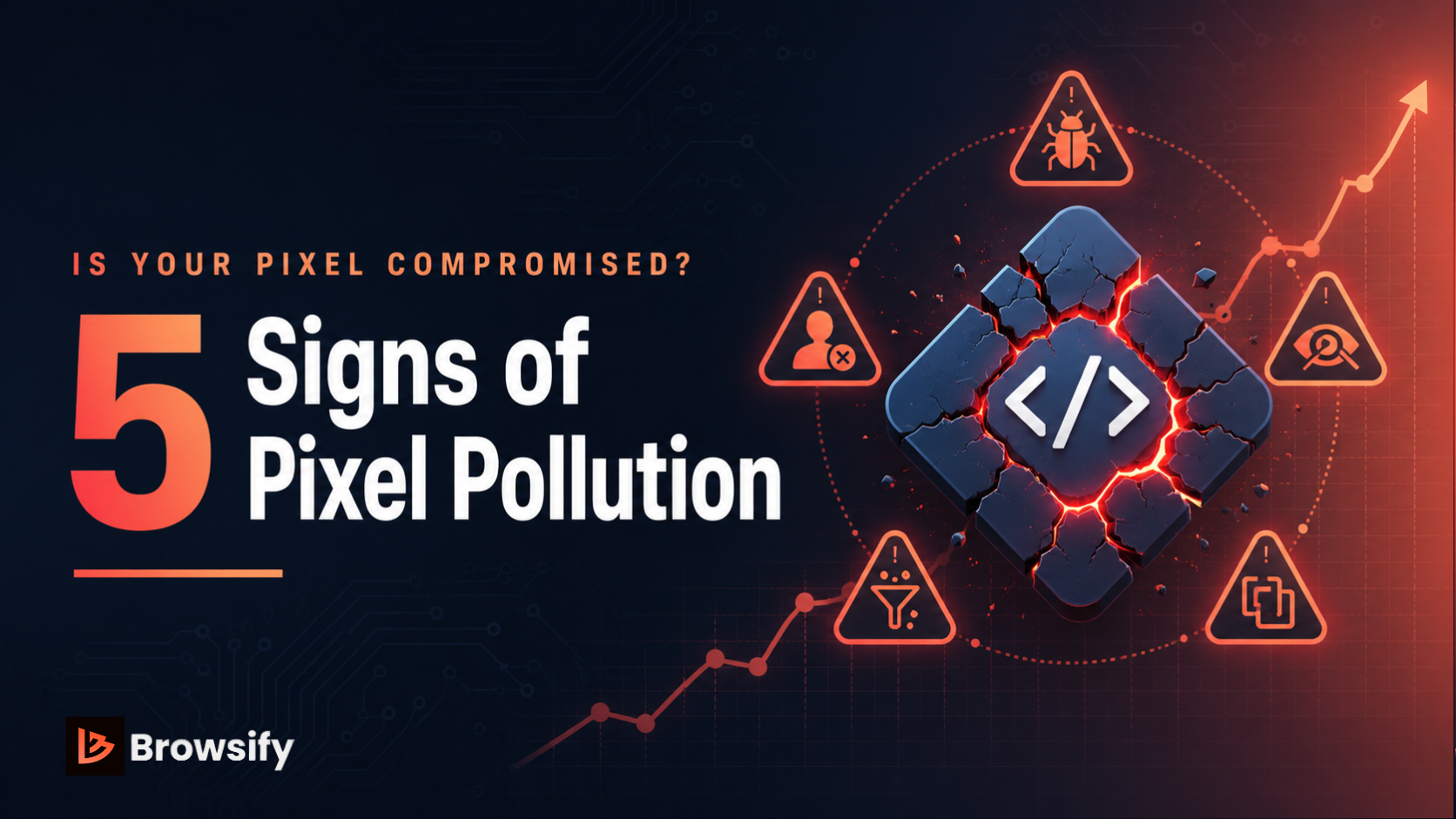
5 Signs Your Facebook Pixel Is Polluted by Fake Orders
Your Facebook (Meta) ads used to work. Cost per acquisition was stable. ROAS was healthy. Then, gradually, performance started slipping higher CPAs, lower conversion rates, worse audience quality. You changed your creatives. You tested new audiences. You increased your budget. Nothing helped. The problem might not be your ads. It might be your pixel. When fake orders fire purchase events on your Meta Pixel, the algorithm starts optimizing toward fraudster profiles instead of real buyers. This is pixel pollution and it's more common than most Shopify merchants realize. Here are five signs it's happening to you.
 shopify fraud prevention
How Fake Orders Pollute Your Ad Pixels And How to Fix It
How Fake Orders Pollute Your Ad Pixels And How to Fix It A Browsify guide for Shopify merchants running paid ads on Meta, Google, and TikTok.
 shopify fraud prevention
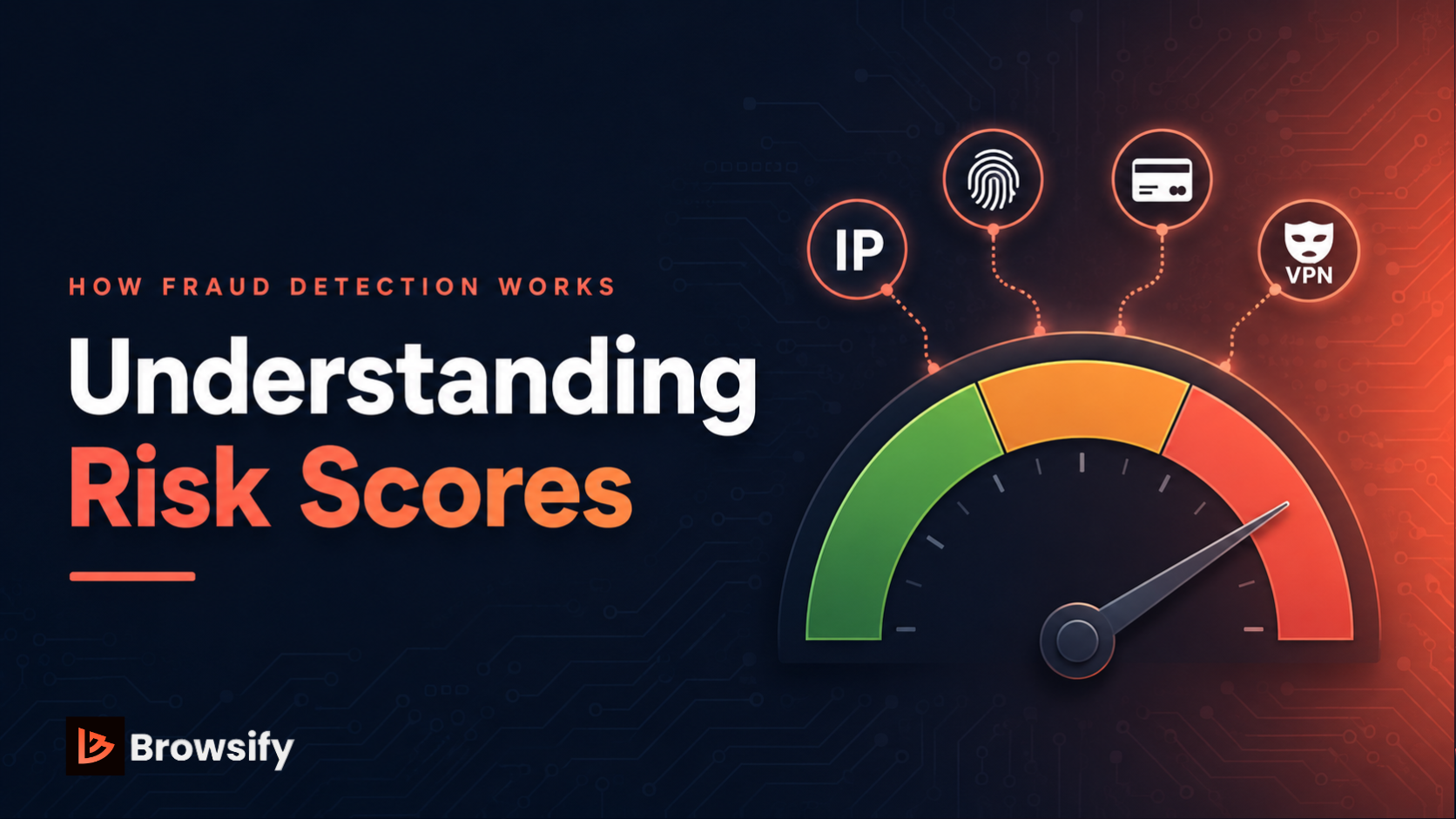
Understanding Risk Scores: How Fraud Detection Actually Works
Understanding Risk Scores: How Fraud Detection Actually Works A plain-English guide to fraud risk scores for store owners what the 0–100 number means, how it's calculated from dozens of signals, and how to tune your block threshold without rejecting real customers.
 shopify fraud prevention
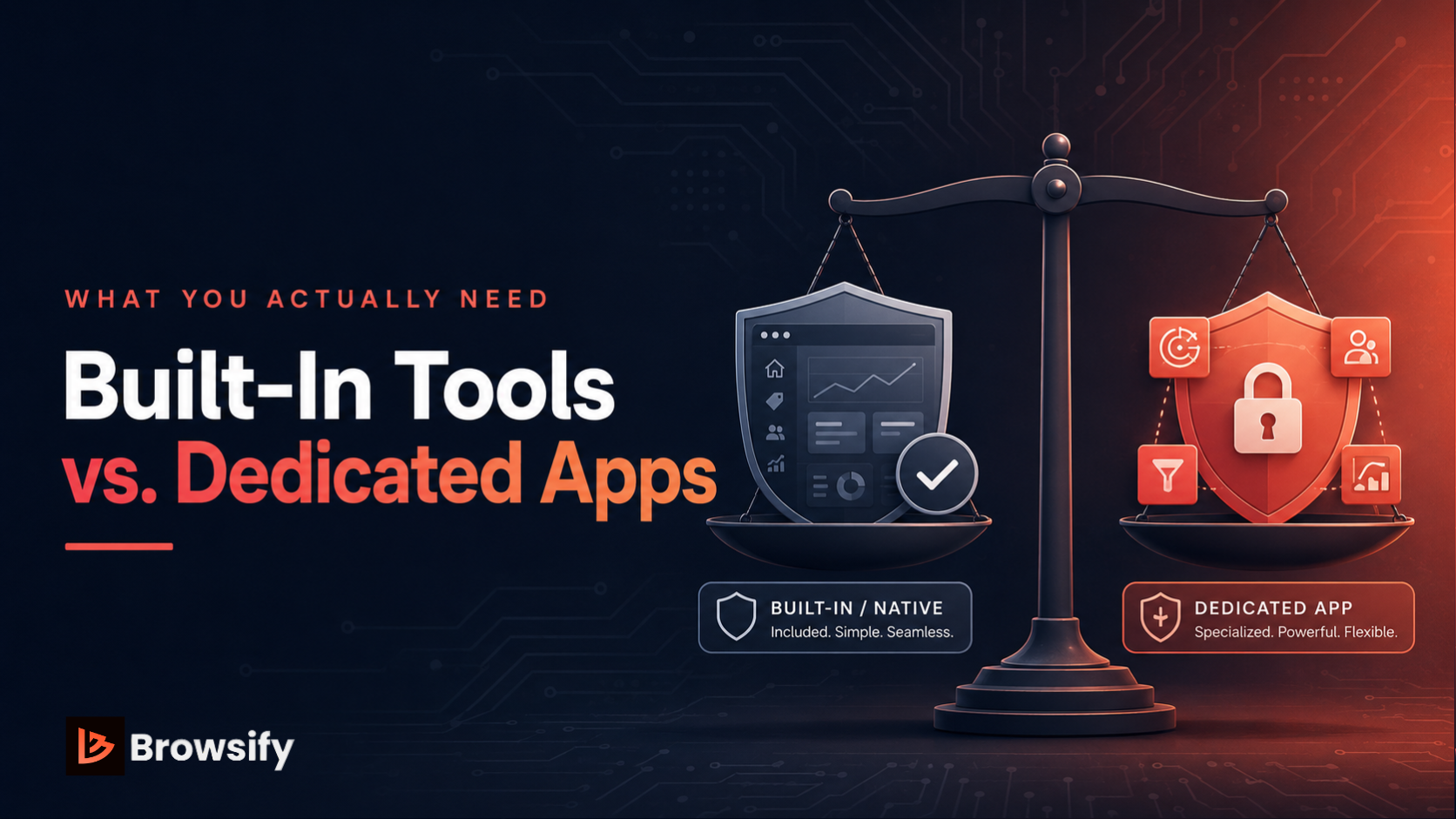
Shopify's Built-In Fraud Tools vs. Dedicated Apps: What You Actually Need
Shopify's Built-In Fraud Tools vs. Dedicated Apps: What You Actually Need Shopify ships real fraud-prevention tools for free so do you actually need a dedicated app? Here's an honest breakdown of what the built-in stack covers, where it stops, and when a third-party app is worth it.
 shopify fraud prevention
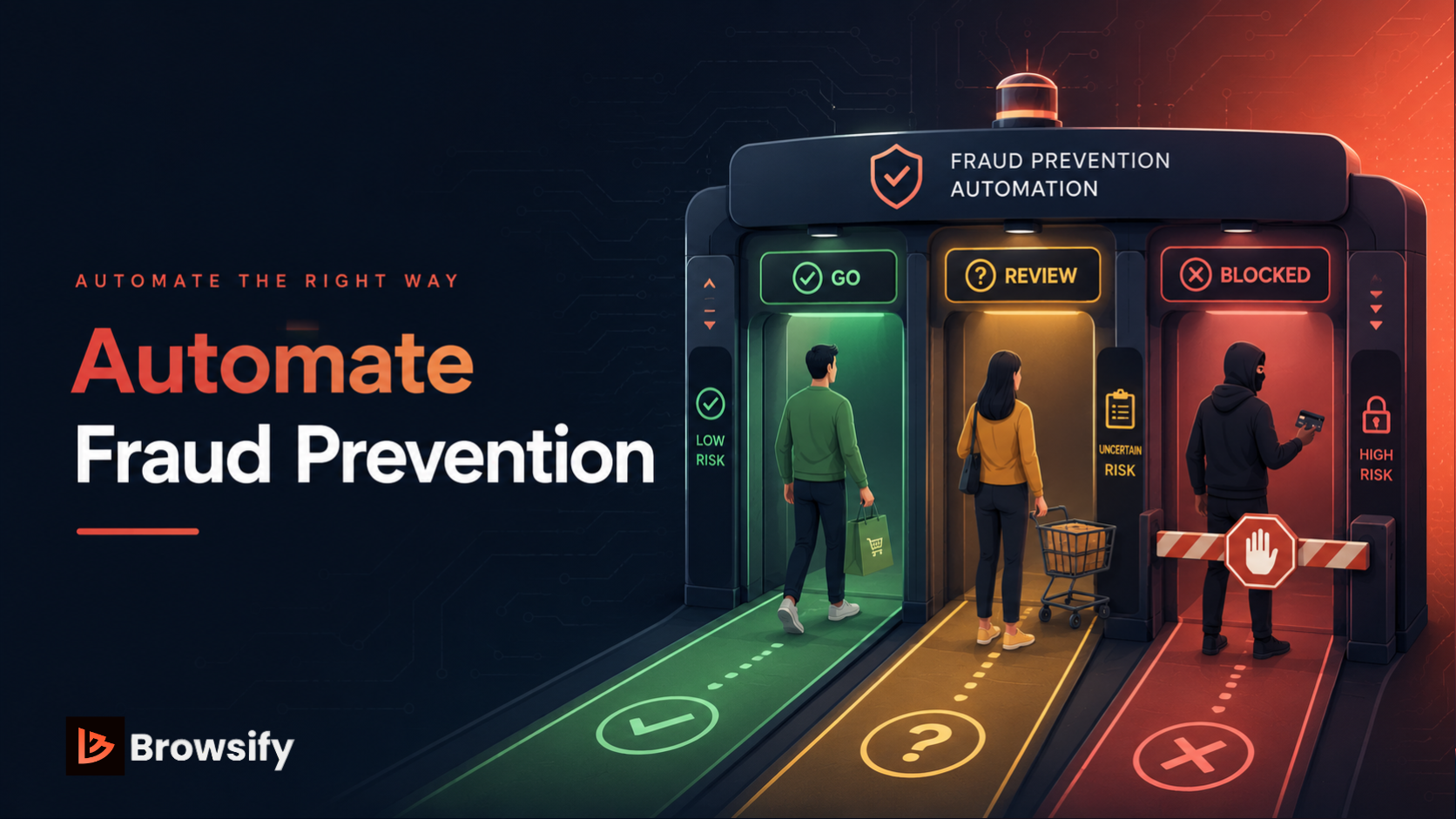
How to Automate Fraud Prevention on Shopify (Without Blocking Real Customers)
How to Automate Fraud Prevention on Shopify (Without Blocking Real Customers) Manual fraud review doesn't scale but careless automation blocks good customers. Here's how to automate fraud prevention on Shopify the right way: catch the obvious threats, escalate the gray area, and keep checkout smooth for real shoppers.