Browsify Blog
Get the latest security updates, optimization guides, and tips from the Browsify team.
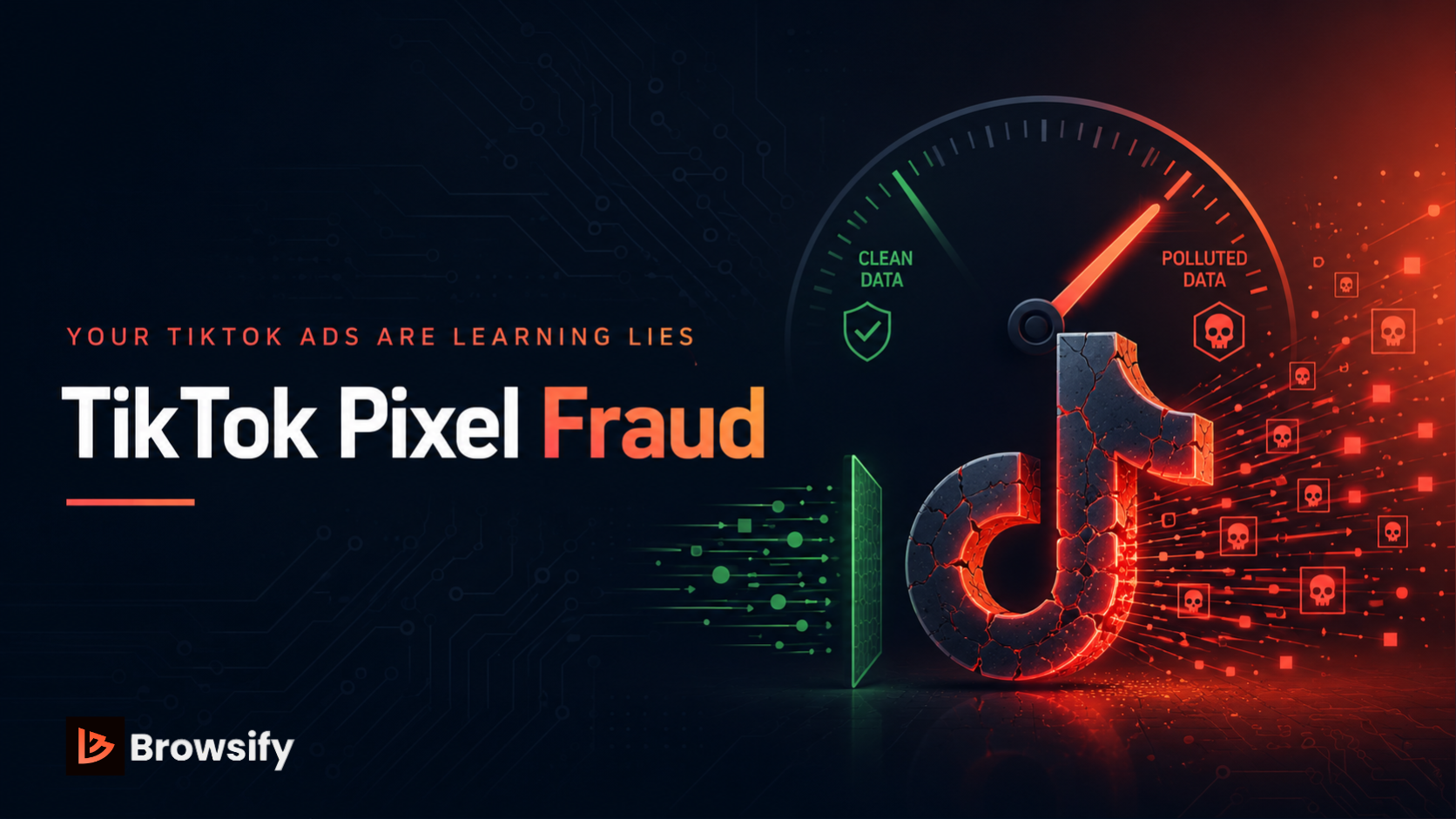 tiktok pixel fraud shopify
TikTok Pixel Fraud: How Fake Orders Waste Your TikTok Ad Budget
TikTok's advertising algorithm is aggressive by design. It learns fast, optimizes quickly, and scales spending when it finds what it thinks are winning patterns. For stores with clean data, this speed is a competitive advantage. For stores with polluted pixel data, it's an accelerant for waste. If you're running TikTok ads on your Shopify store and your conversion data includes fake orders, the algorithm doesn't just make mistakes it makes them faster than Meta or Google would.

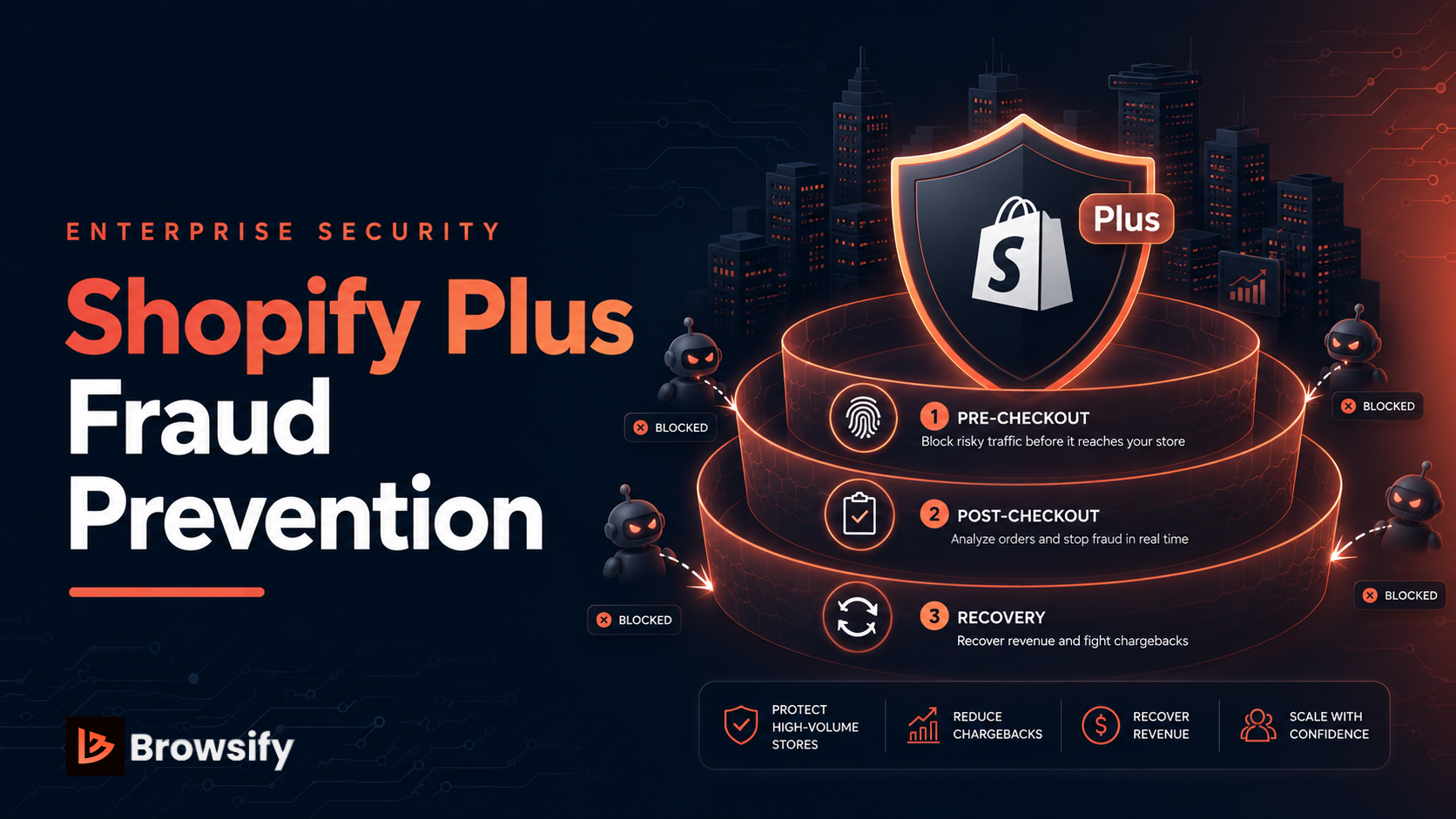 shopify plus fraud prevention
Shopify Plus Fraud Prevention: Enterprise Security Guide
Shopify Plus stores operate at a different scale and attract a different class of fraud. Higher order values, international traffic, flash sales, and limited-edition drops make Plus stores attractive targets for professional fraud operations, not just opportunistic scammers. The built-in tools that work for a store doing 50 orders/day aren't enough when you're processing 500. This guide covers what Shopify Plus gives you natively, where those tools fall short, and how to build a fraud prevention stack that matches enterprise-level threat exposure.
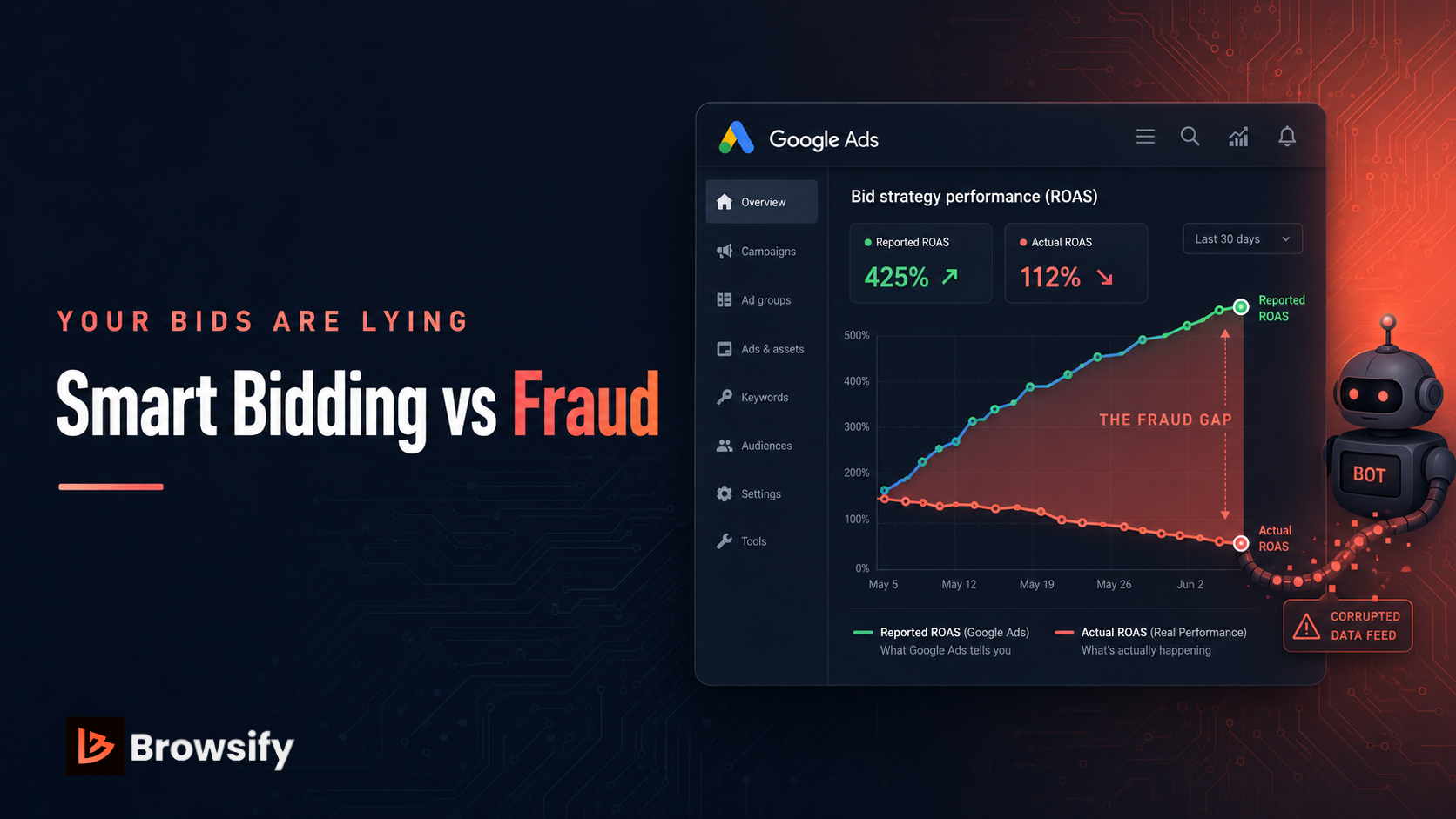 google ads fraud shopify
How Google Ads Smart Bidding Fails When Fraud Pollutes Your Data
Google Ads Smart Bidding is designed to be hands-off. You set a Target CPA or Target ROAS, and Google's machine learning handles the rest adjusting bids in real time based on your conversion history. It works well when the data is accurate. When the data is polluted by fraudulent orders, it fails in ways that are difficult to diagnose and expensive to fix.
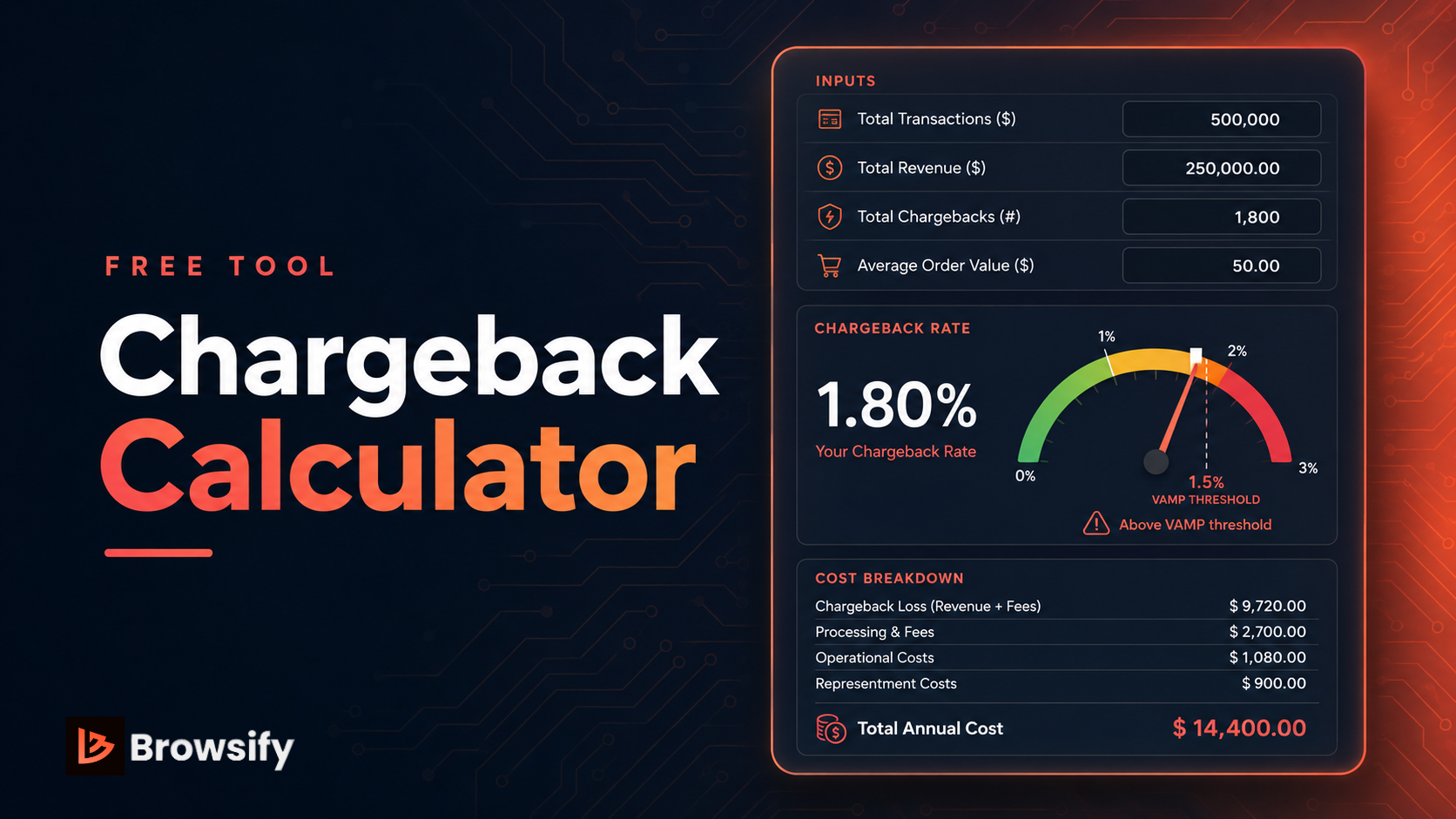 chargeback rate calculator
Chargeback Rate Calculator: How Much Is Fraud Costing Your Shopify Store?
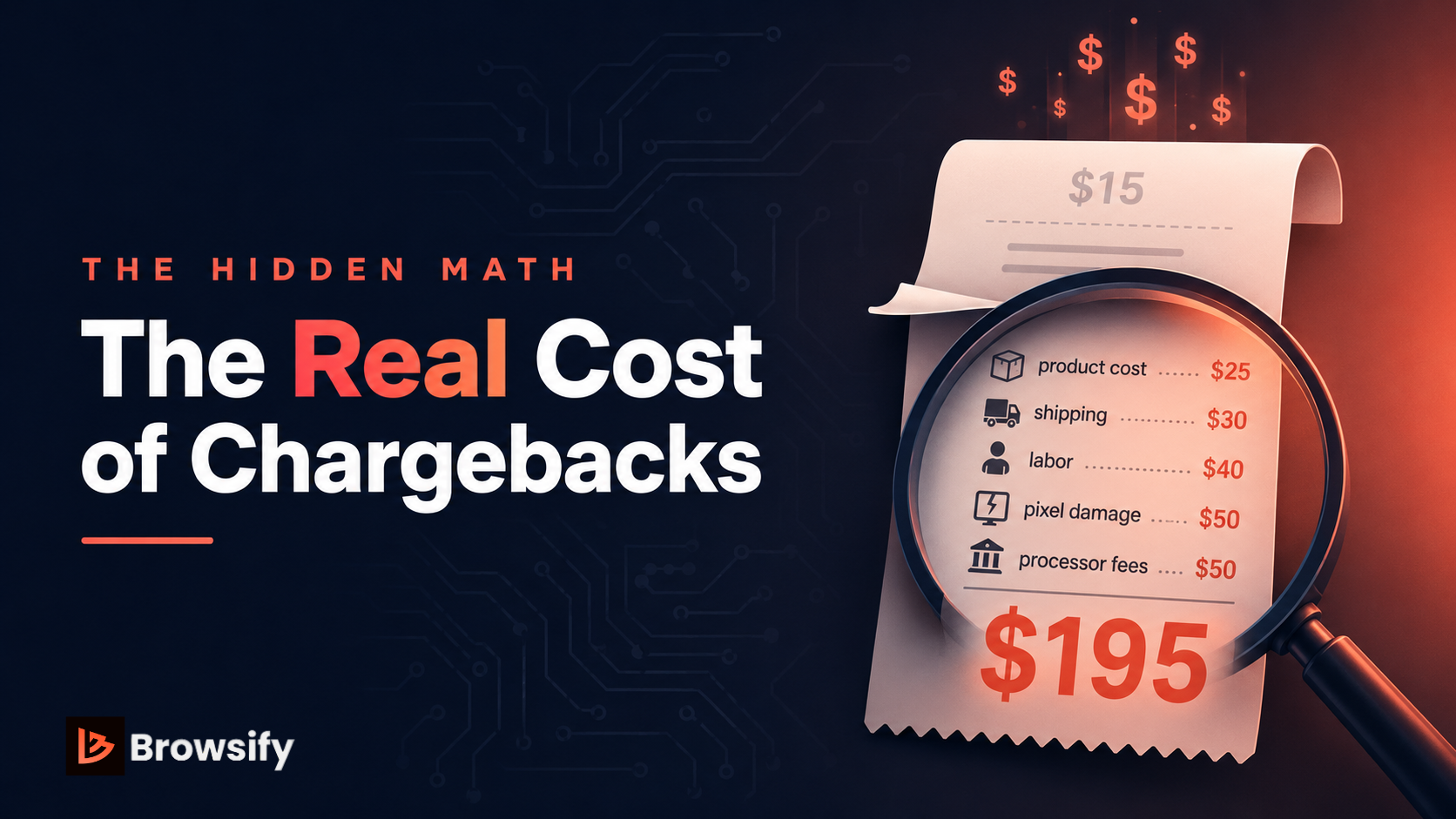
Calculate Your Real Chargeback Cost Most merchants only see the $15 Shopify dispute fee. This calculator shows the full picture including hidden costs that add up to 10–15x the visible fee.
 shopify fraud prevention
The Real Cost of Chargebacks: What Shopify Merchants Don't Calculate
The number you see on your Shopify chargeback notification is $15. That's the dispute fee Shopify charges when a customer files a chargeback against your store. If you win the dispute, you might get it back. But $15 is the visible number. The actual cost of a single chargeback is dramatically higher and most merchants never add up the full picture.
 disable right click shopify
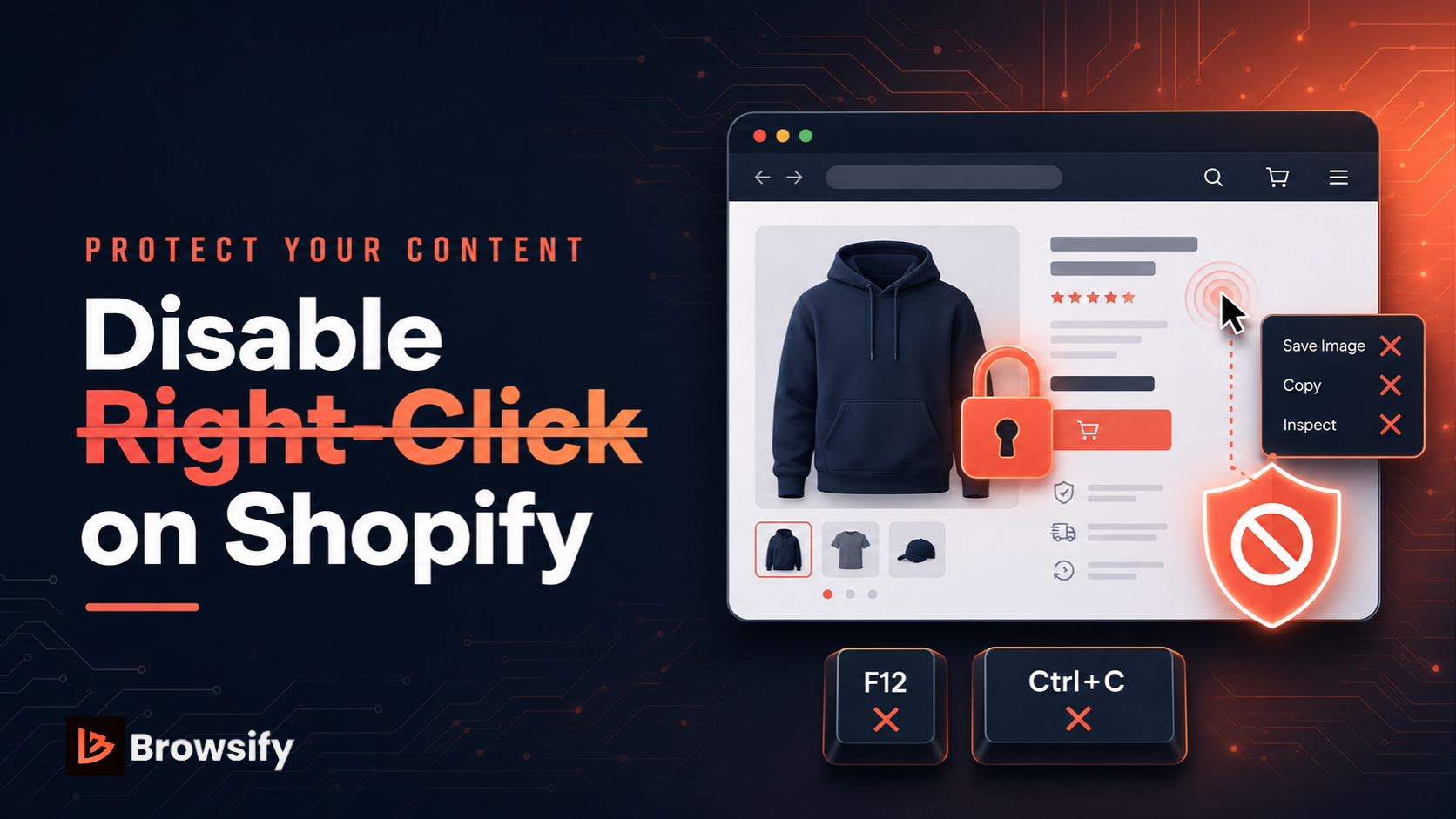
How to Disable Right-Click & Protect Content on Shopify (Without Hurting UX)
Someone is copying your product descriptions word for word. Your custom images are showing up on competitor stores. You've seen your page source code being inspected by visitors who clearly aren't customers. Content theft is a real problem on Shopify especially for stores with original product photography, custom descriptions, or proprietary pricing. Disabling right-click is the most common first defense. But there's a right way and a wrong way to do it.
 Browsify vs Blocky
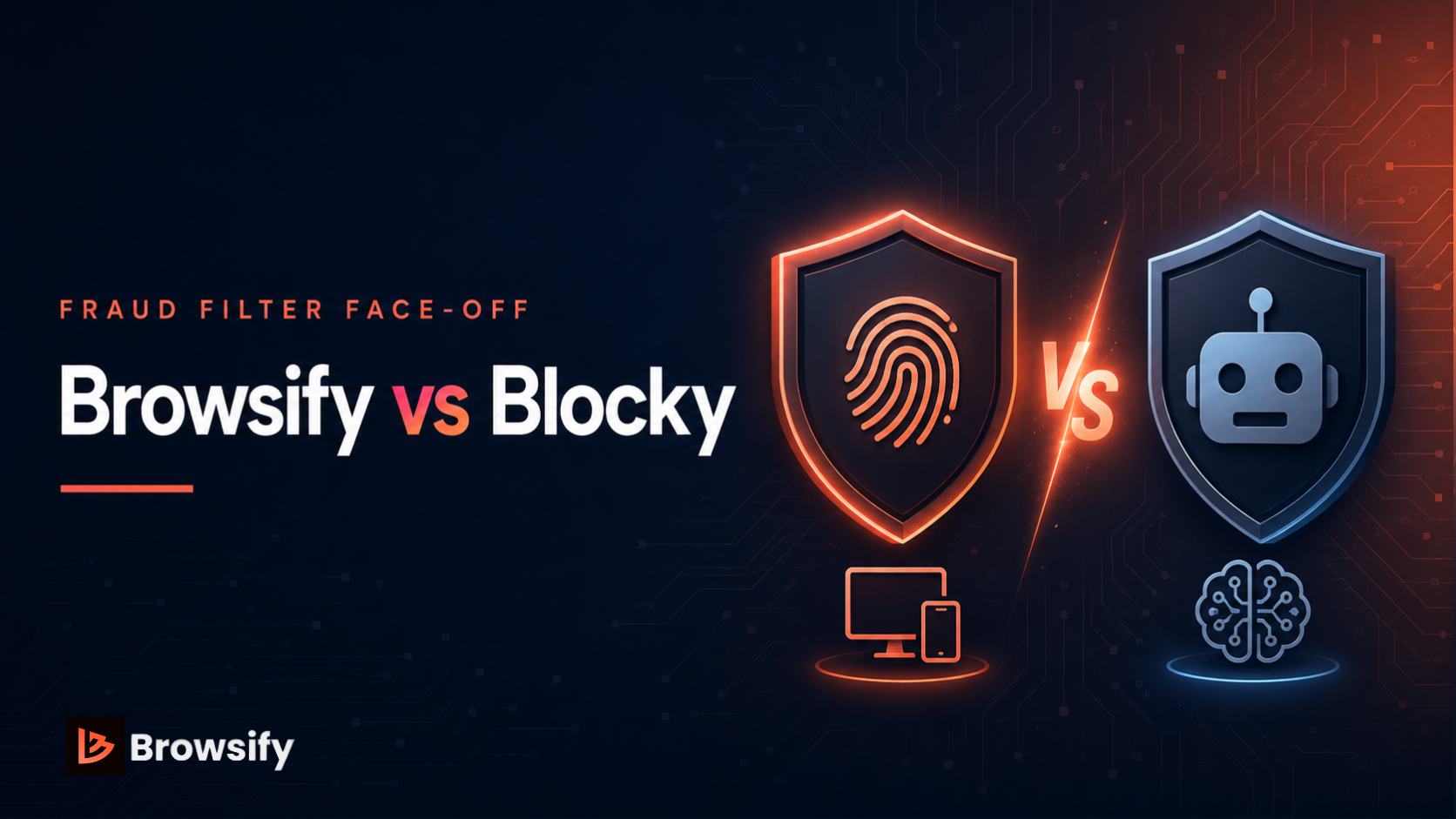
Browsify vs Blocky: Fraud Filter Comparison for Shopify
Blocky and Browsify both protect Shopify stores from fraud and unwanted traffic. They overlap in some areas IP blocking, country blocking, content protection but differ in their core detection approach and what they prioritize. This is our honest comparison. Browsify is our product. We'll be clear about where Blocky has genuine advantages.
 payment processor freeze
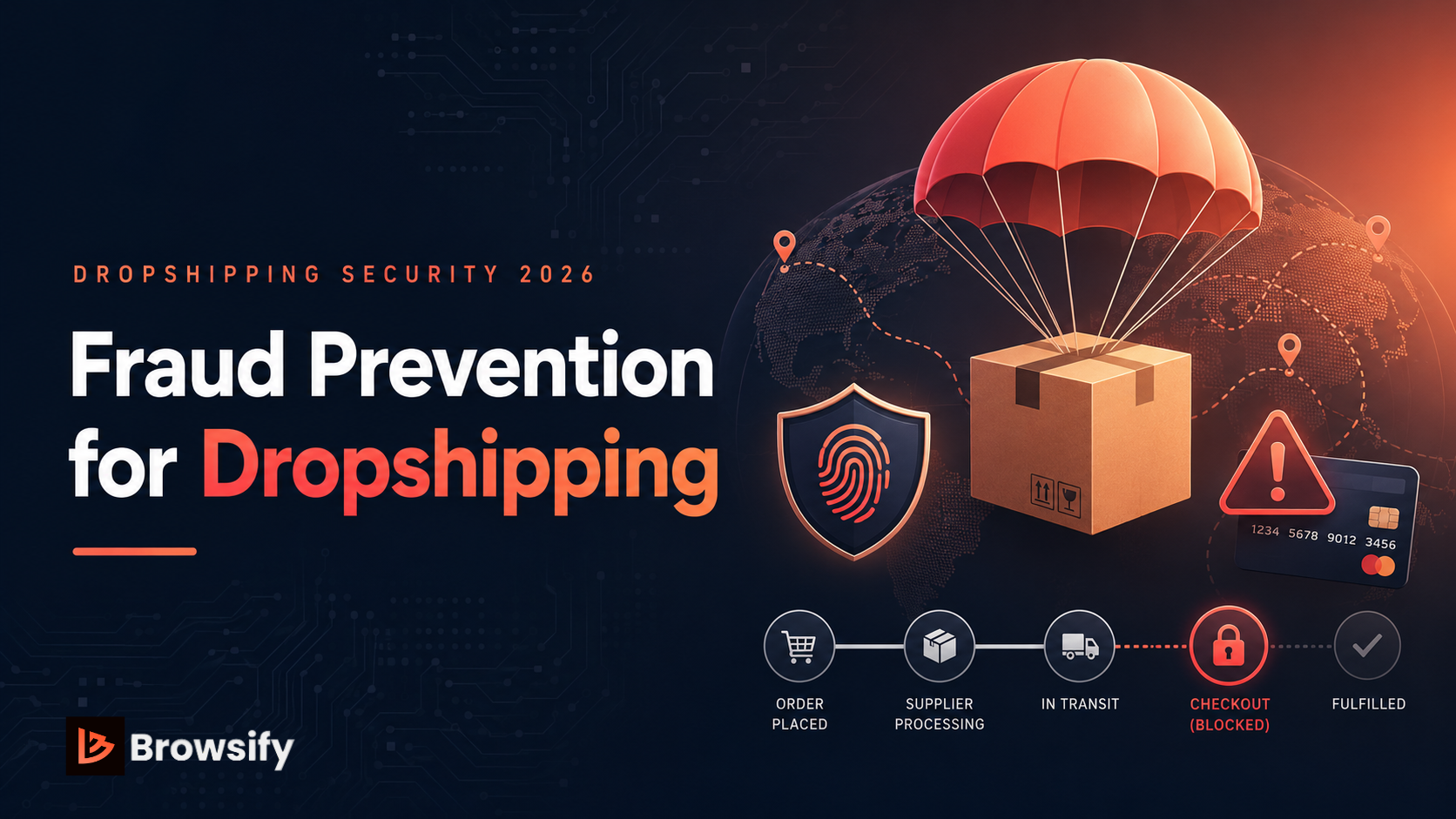
Shopify Fraud Prevention for Dropshipping Stores (2026 Guide)
Dropshipping stores have a fraud problem that's structurally different from traditional e-commerce. Longer fulfillment times, no physical inventory control, and higher chargeback ratios create vulnerabilities that generic fraud advice doesn't address. This guide covers the specific fraud types that hit dropshippers hardest, the real risk they pose to your payment processing, and a practical protection stack you can set up today.
 shopify fraud prevention
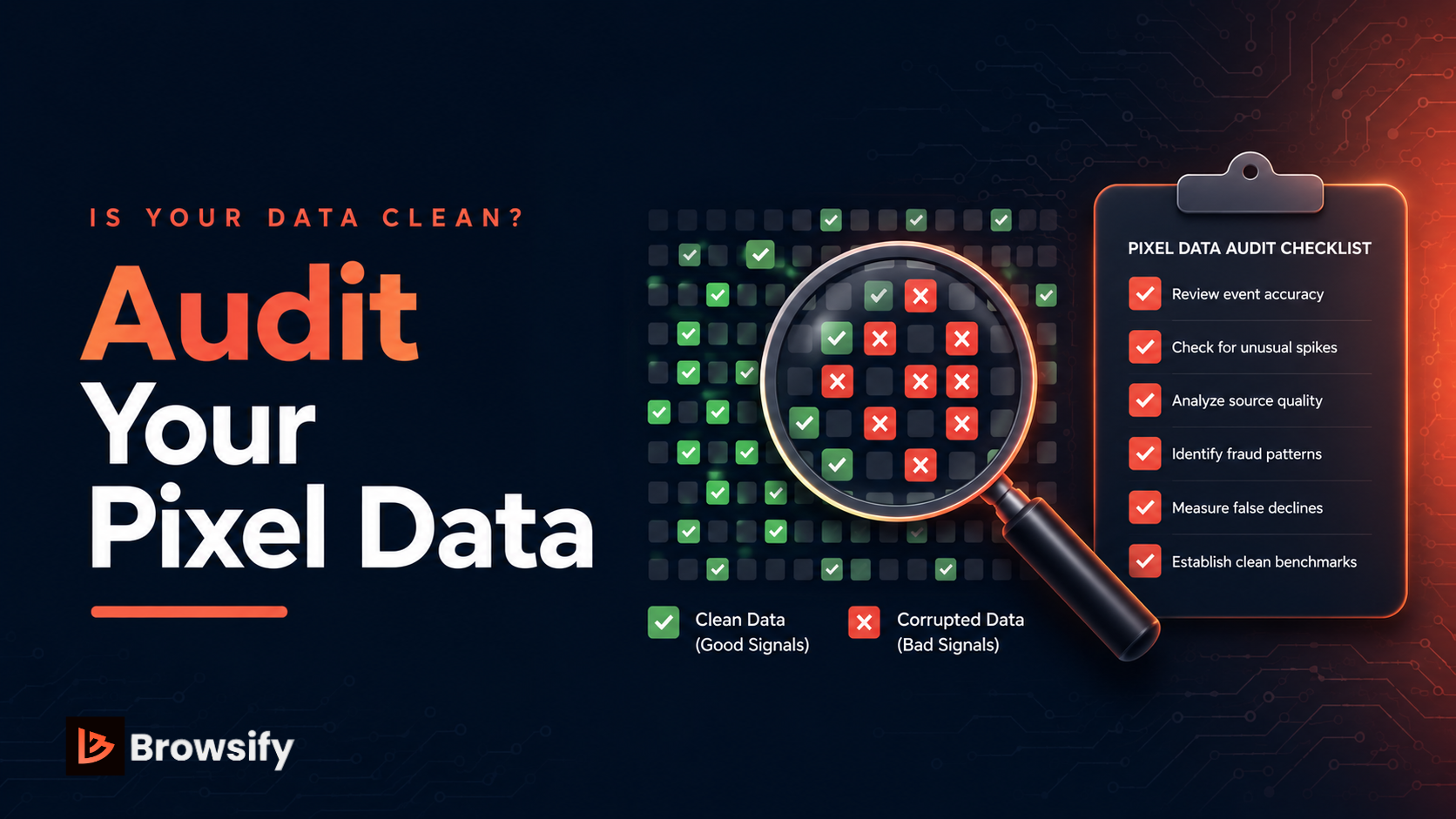
How to Audit Your Ad Pixel Data for Fraud Pollution (Step-by-Step)
You've read about pixel pollution. You know fake orders can corrupt your ad data. But how do you know if it's actually happening to your store? This guide walks through a practical audit you can run today no special tools required, just your Shopify admin, Meta Events Manager (or Google Ads dashboard), and about 30 minutes. By the end, you'll know whether your pixel data is clean or compromised, and how badly.