Browsify Blog
Get the latest security updates, optimization guides, and tips from the Browsify team.
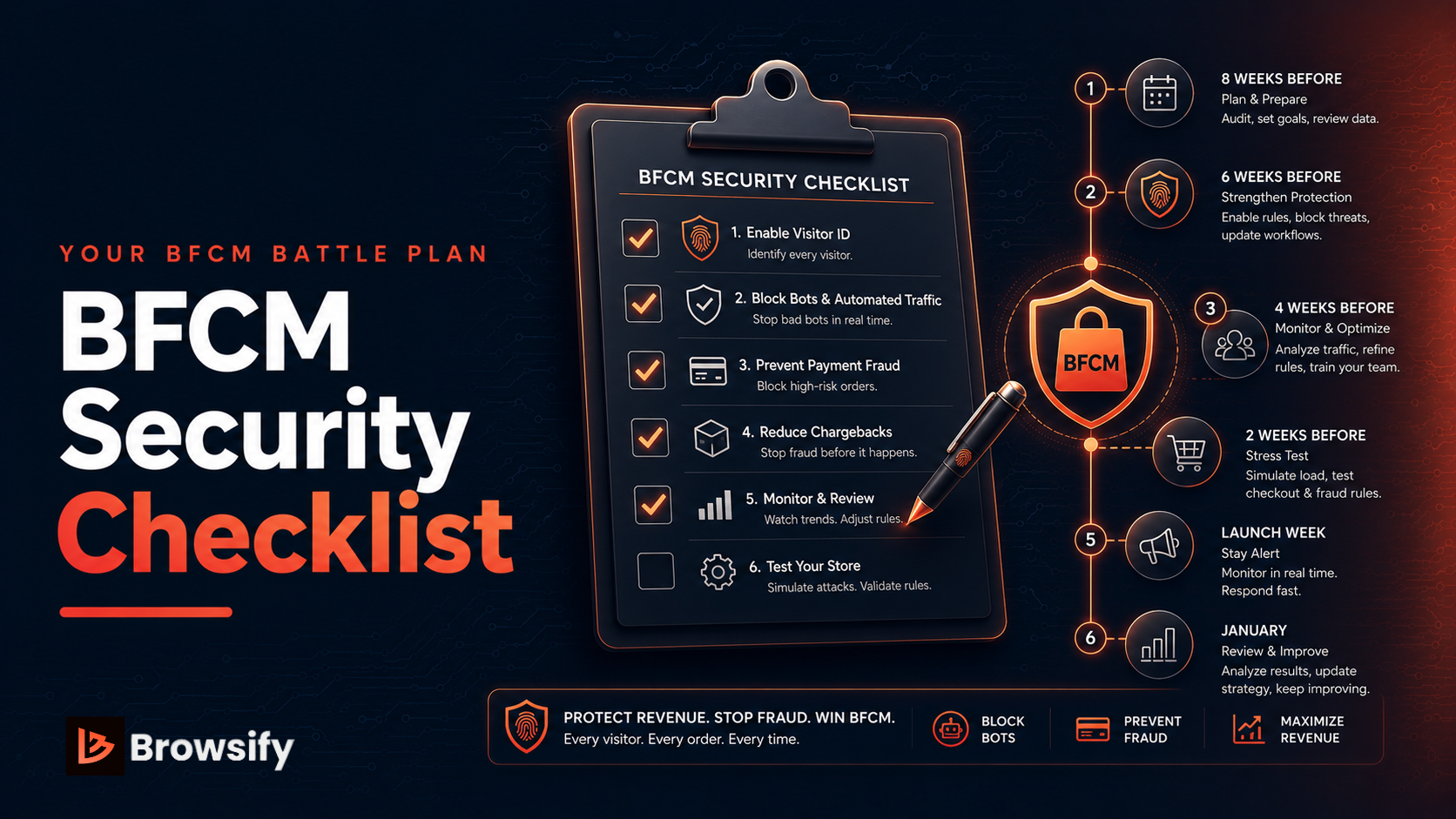 shopify bfcm security checklist
BFCM Security Checklist for Shopify Merchants
This is the action checklist for your BFCM fraud preparation. Each item is a specific, completable task no theory, just execution. Work through it in order, starting 8 weeks before Black Friday. For the strategy and reasoning behind these steps, read our companion guide: BFCM 2026 Fraud Prep →

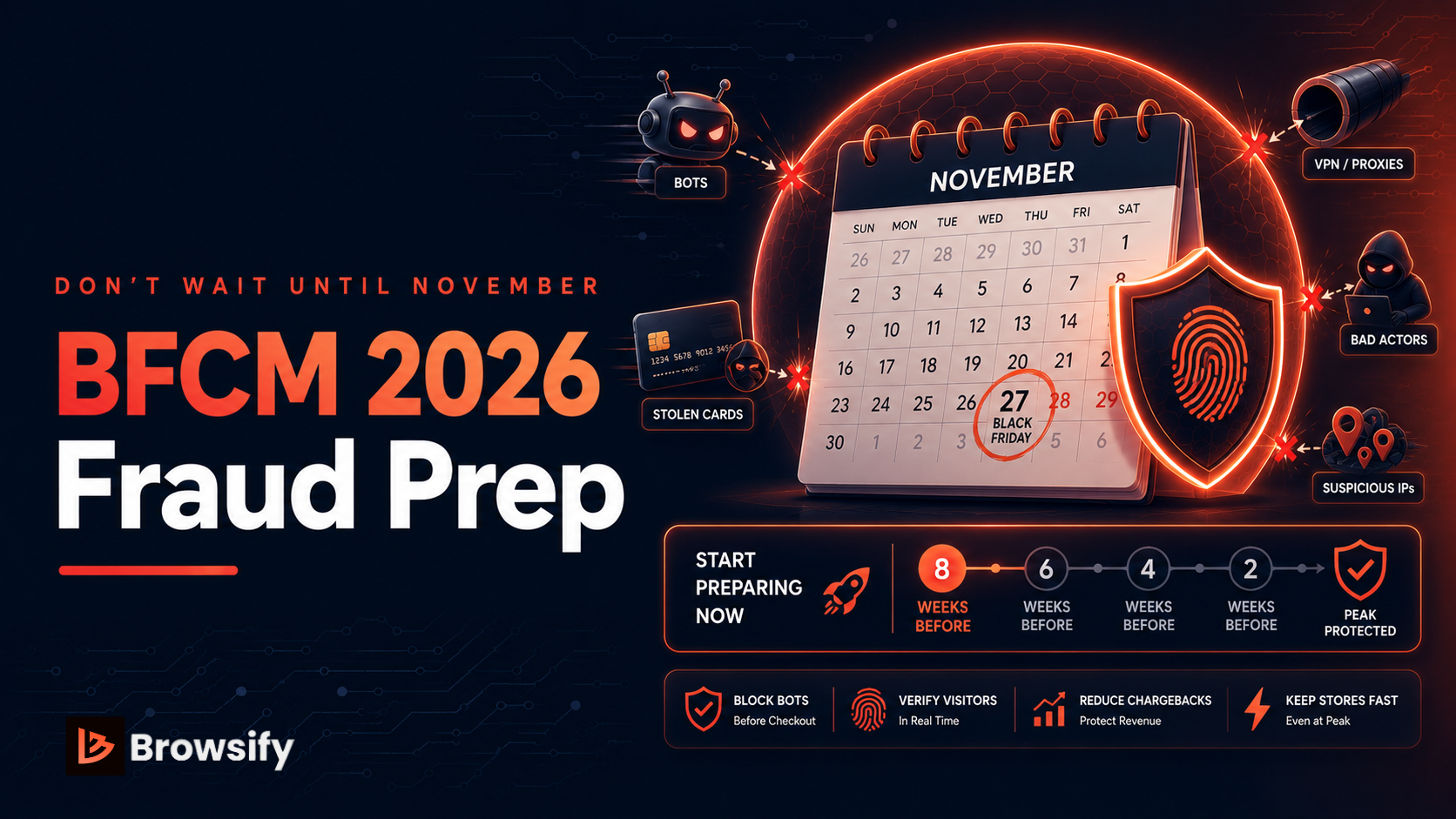 black friday shopify fraud prevention 2026
BFCM 2026 Fraud Prep: Protect Your Shopify Store Before Black Friday
Black Friday and Cyber Monday are your biggest revenue days and your biggest fraud exposure days. Fraud attempts typically spike 30–50% during BFCM compared to normal periods. The combination of higher traffic volume, aggressive discounting, time pressure, and overwhelmed merchant teams creates ideal conditions for fraud operations. The time to prepare is now not the week before Black Friday. Here's your BFCM 2026 fraud prevention plan.
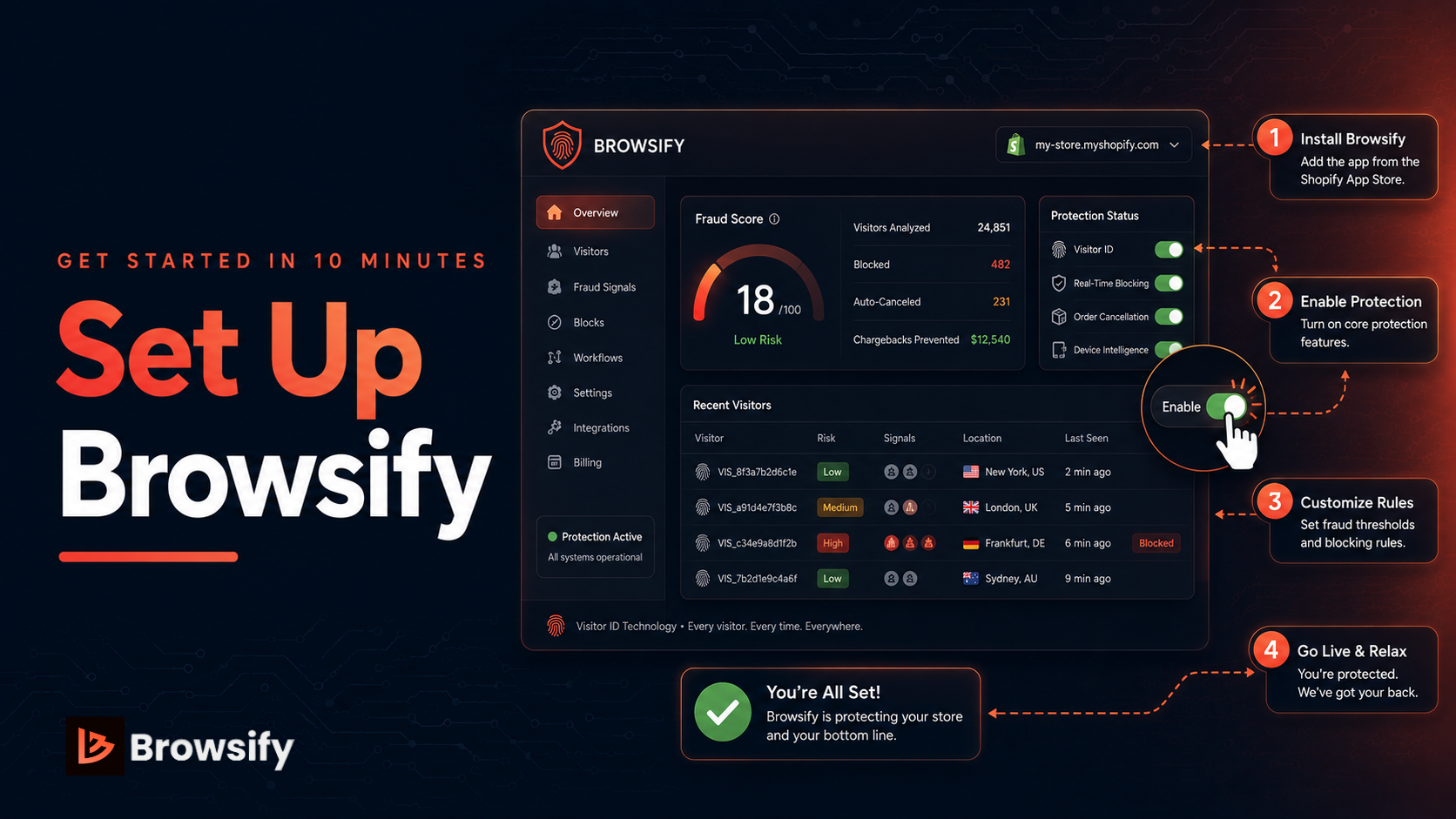 browsify setup guide
How to Set Up Browsify: Complete Onboarding Guide
Browsify installs in under 2 minutes and starts collecting visitor data immediately. But getting the most out of it configuring your fraud score threshold, enabling the right blocking rules, and understanding your dashboard takes a few more minutes of setup. This guide walks through every step from installation to your first week of monitoring.
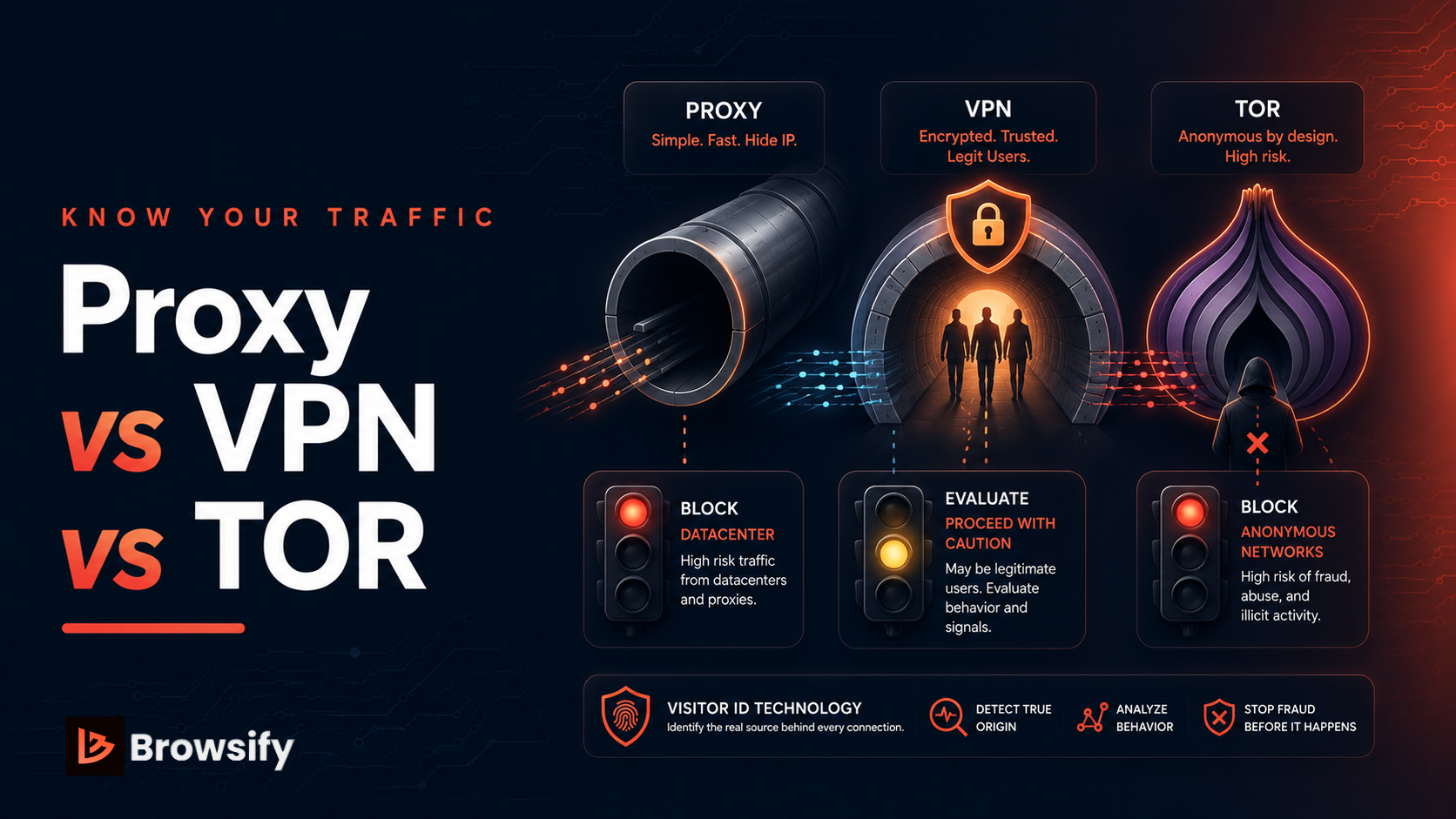 tor blocking
Proxy vs VPN vs TOR: A Shopify Merchant's Guide to Anonymous Traffic
Your Browsify dashboard shows that 12% of your store traffic comes from VPNs and proxies. Should you block all of it? None of it? How do you tell the difference between a fraudster hiding behind a VPN and a privacy-conscious customer using one? Understanding what proxies, VPNs, and TOR actually are and how each is used for both legitimate and fraudulent purposes lets you make smarter blocking decisions.
 shopify bot protection
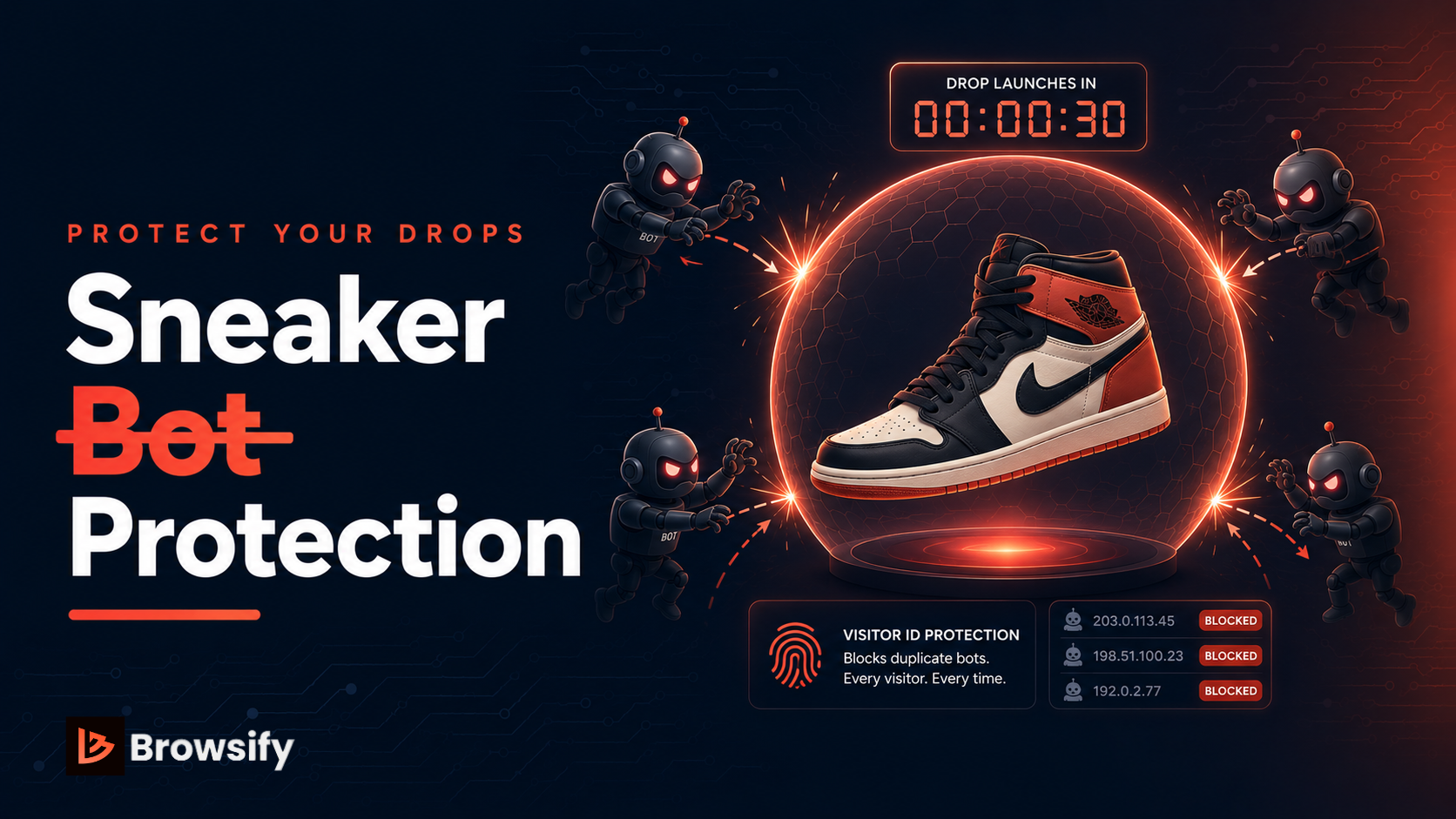
Fraud Prevention for Limited Edition & Sneaker Drop Stores
You spent months planning a limited drop. The product is exclusive, the hype is built, and the launch time is set. Within 30 seconds of going live, every unit is sold out and most of it went to bots. Your real customers are frustrated. Your social media fills with complaints from fans who couldn't checkout fast enough. Meanwhile, your products appear on resale platforms at 3x retail before your drop page even finishes loading. This is the reality for sneaker, streetwear, and limited-edition stores on Shopify. And traditional fraud tools weren't designed to handle it.
 friendly fraud shopify
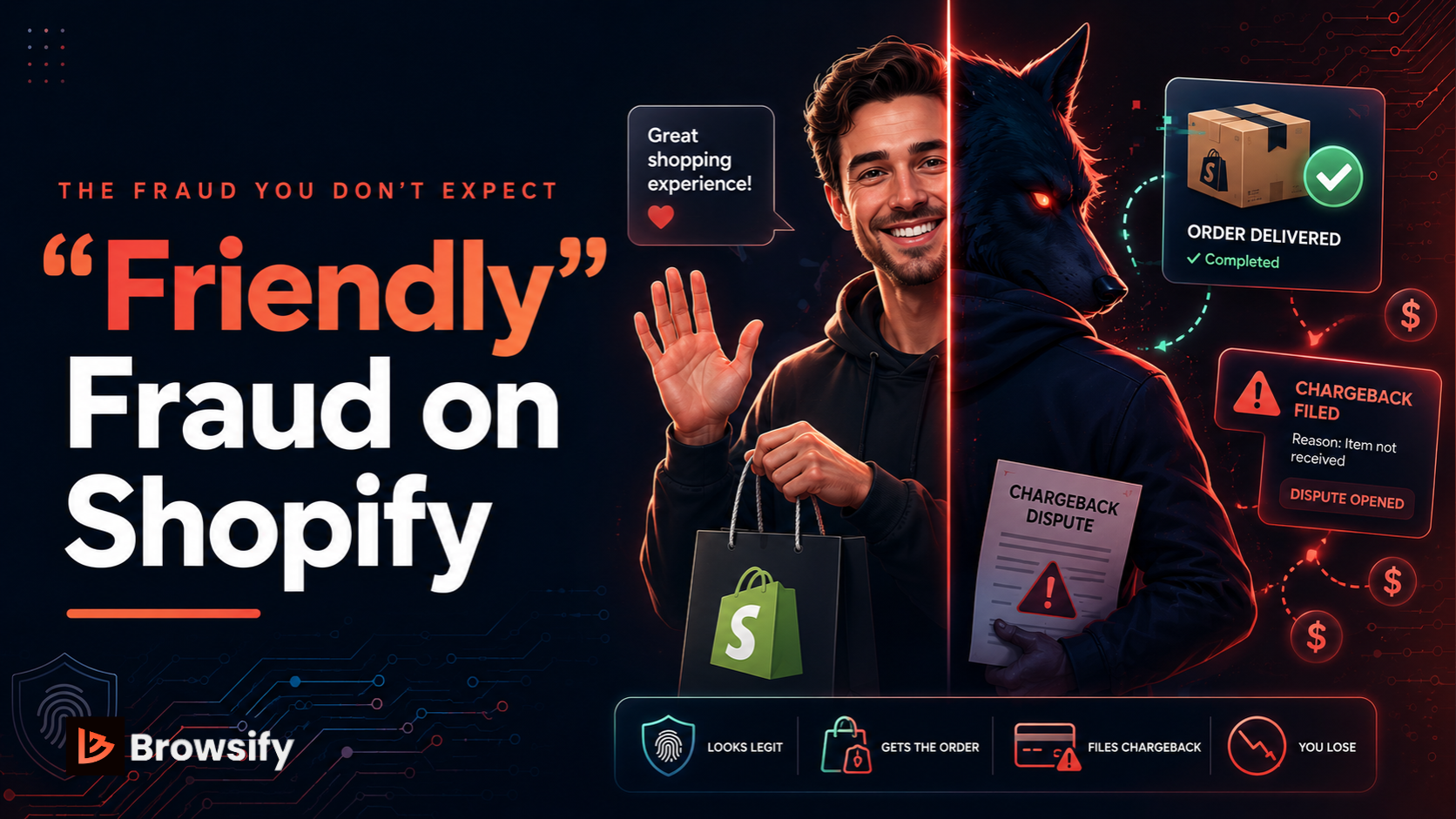
Friendly Fraud on Shopify: When "Good" Customers Steal From You
Not all fraud comes from stolen credit cards and hooded hackers. The most common type of chargeback on Shopify comes from real customers who received real products and disputed the charge anyway. This is friendly fraud, and it accounts for an estimated 60–80% of all ecommerce chargeback losses. It's the fraud that doesn't look like fraud until you check your dispute inbox.
 shopify fashion store fraud
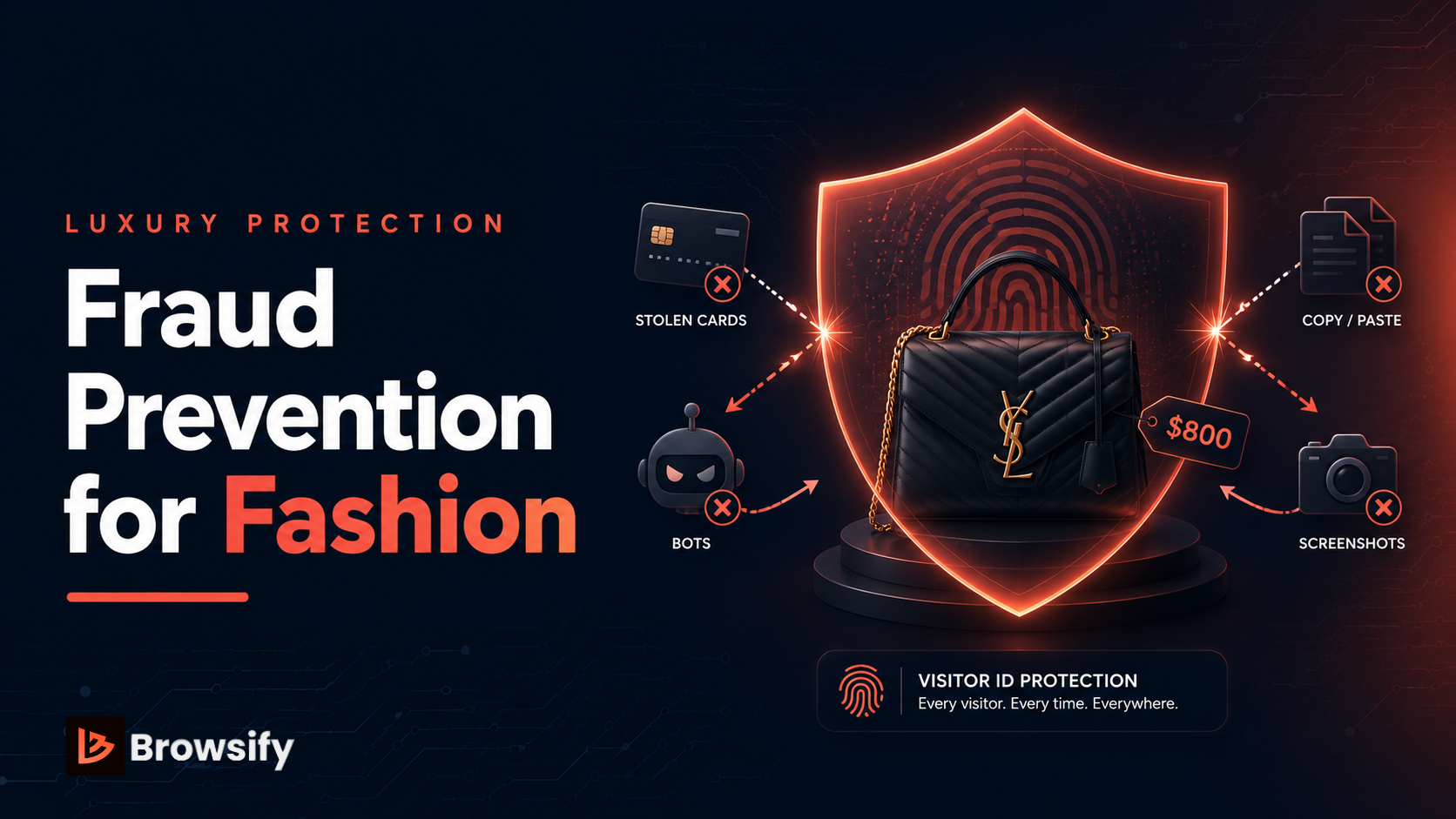
Fraud Prevention for Fashion & Luxury Shopify Stores
Fashion and luxury Shopify stores face a unique fraud profile. Higher average order values mean every fraudulent order costs more. Original product photography and curated descriptions are prime targets for content theft. And the combination of high-value items with aspirational branding attracts professional fraud operations that target these stores specifically. This page covers the fraud patterns that hit fashion and luxury merchants hardest and how to build protection that matches the value of what you sell.
 shopify flow fraud prevention automation
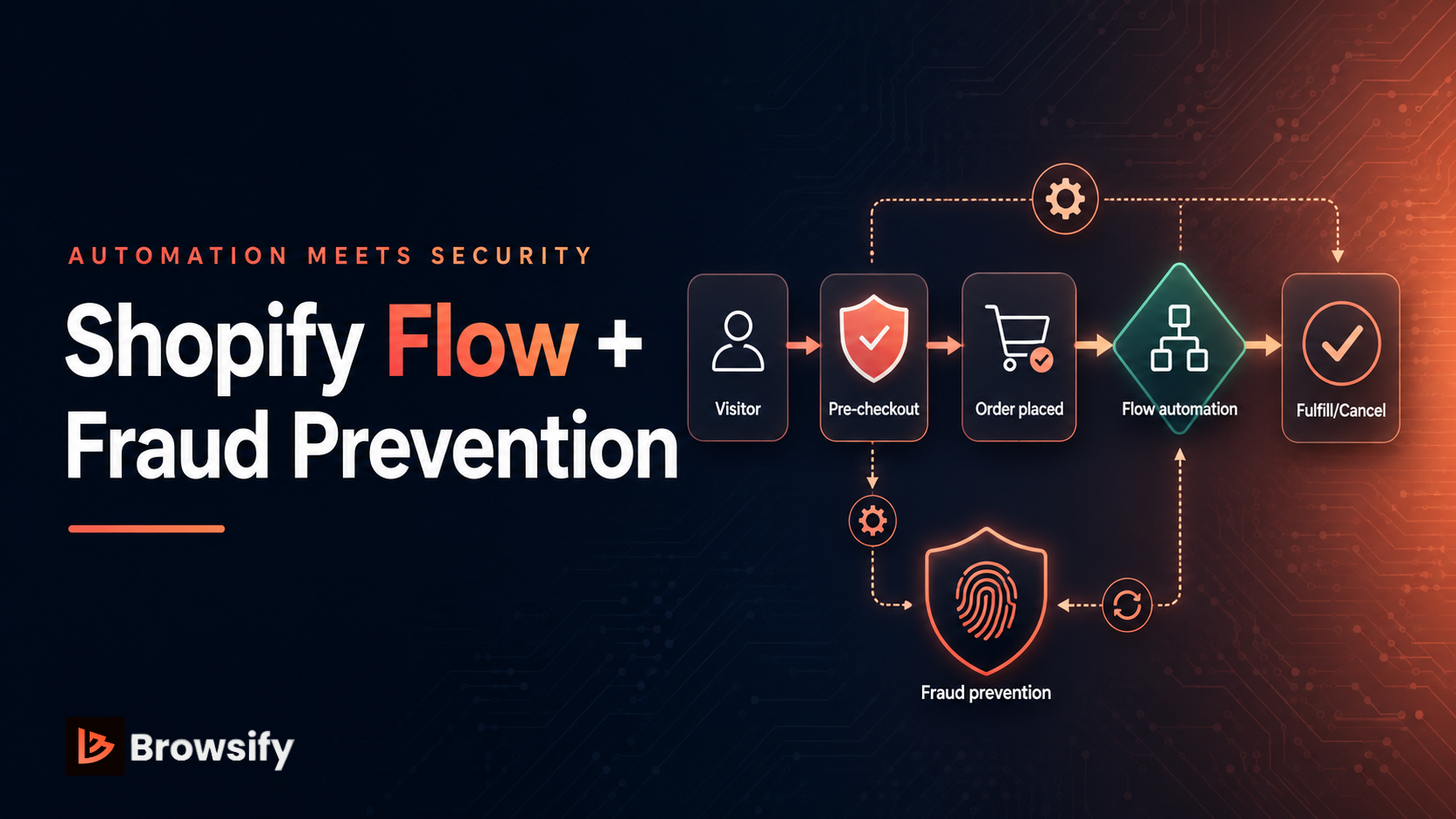
Shopify Flow + Fraud Prevention: How to Automate Order Security
Shopify Flow is a powerful automation tool that lets you build custom workflows for your store including fraud prevention workflows. With Flow, you can auto-cancel high-risk orders, tag suspicious customers, hold payments on flagged transactions, and notify your team when fraud patterns emerge. But Flow has a fundamental limitation that most merchants don't realize until it costs them: it only acts after checkout. Here's how to use Flow effectively and where you need a complementary tool to fill the gap.
 what is visitor id shopify
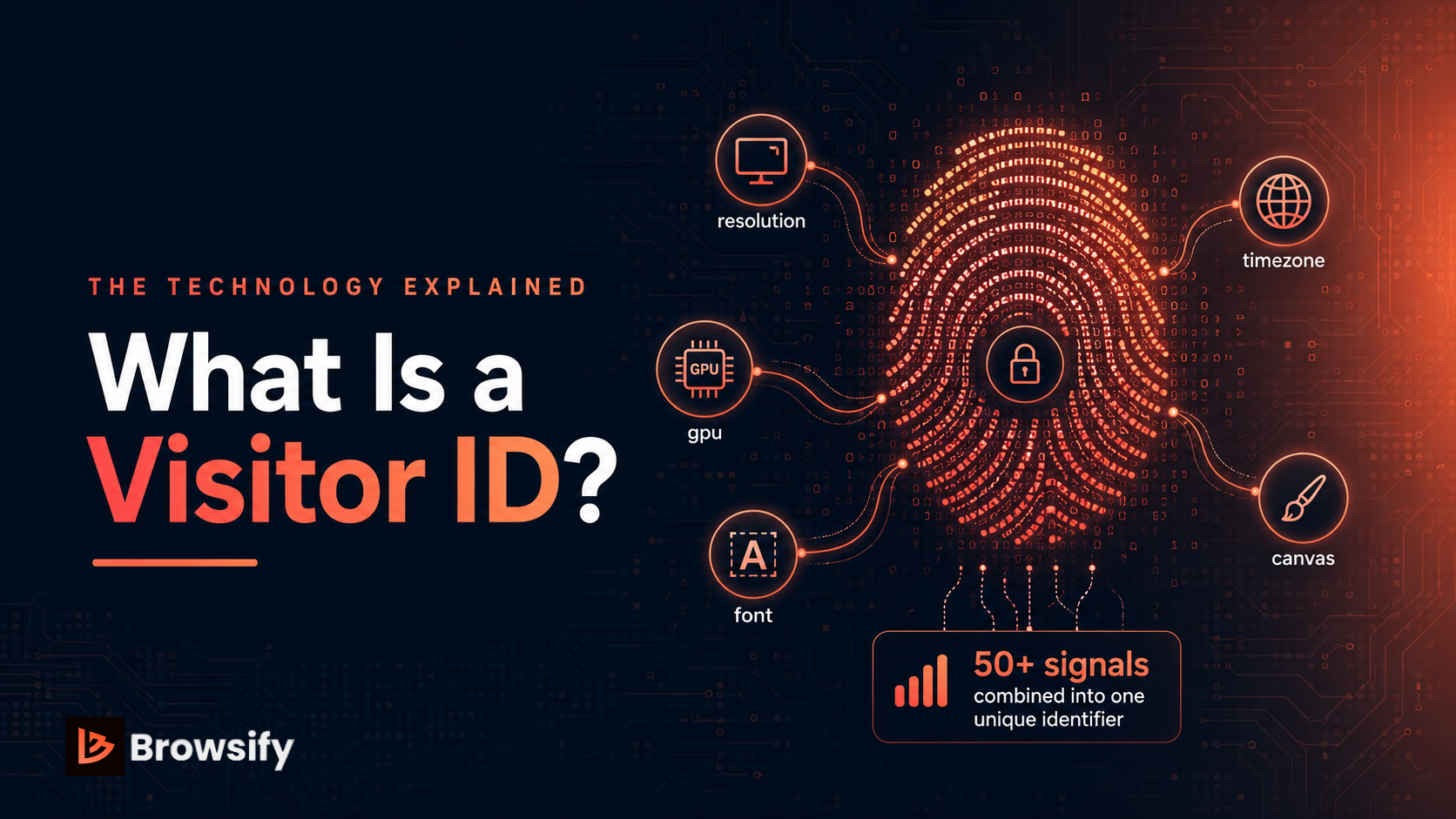
What Is a Visitor ID? How Browser Fingerprinting Stops Shopify Fraud
Every visitor to your Shopify store carries a digital signature a combination of device characteristics that's nearly as unique as a fingerprint. Visitor ID captures this signature and uses it to identify, track, and block fraudulent visitors with a persistence that IP addresses and cookies can't match. This guide explains how the technology works, what it detects, how it compares to traditional blocking methods, and how it handles privacy.