
High-Risk Orders on Shopify: The Dropshipper's Complete Guide to Spotting and Stopping Fraud (2026)
Learn what a high-risk order on Shopify really means, how to identify the warning signs, and the exact steps dropshippers use to prevent chargebacks and protect their store.
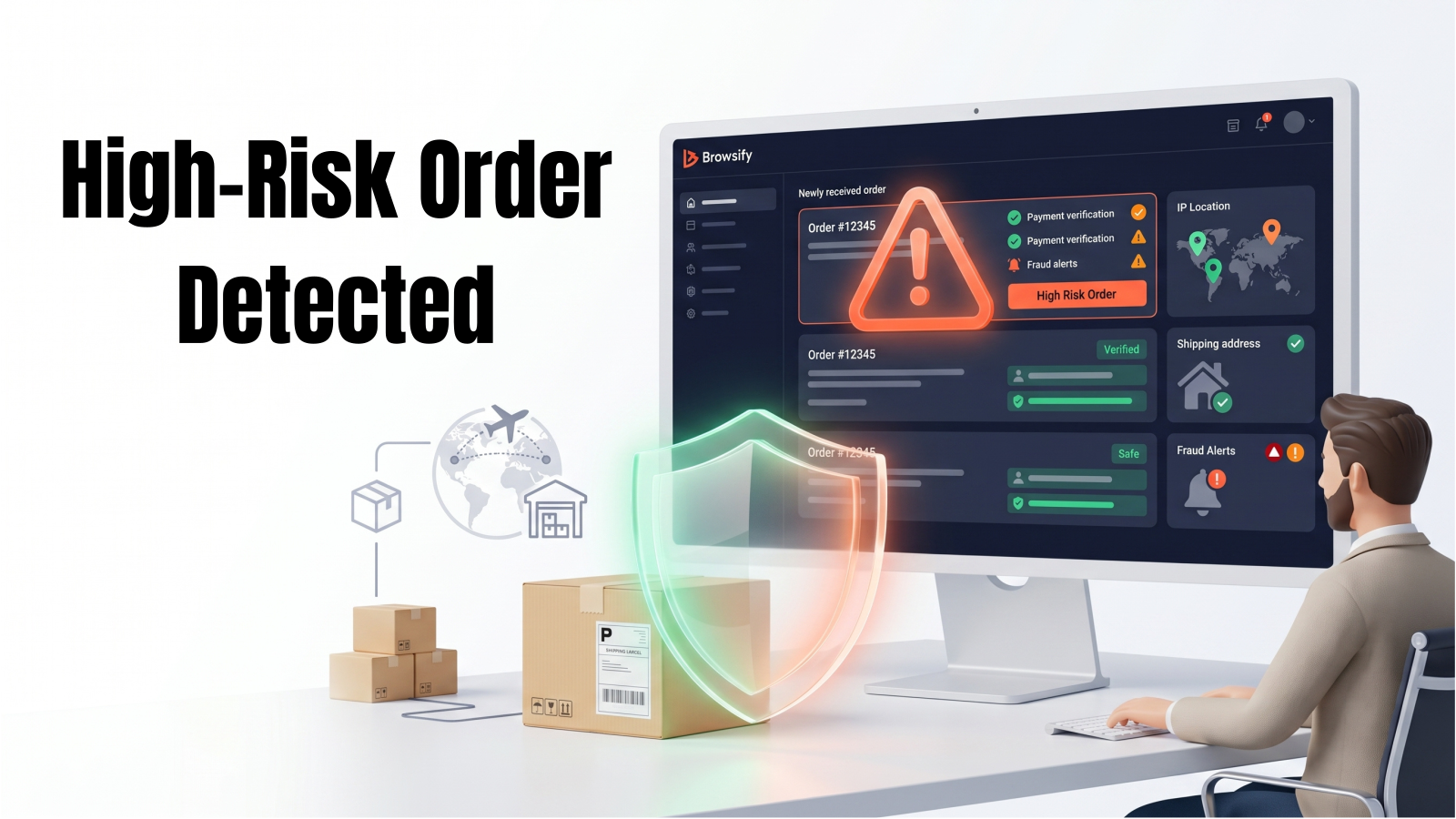
If you run a Shopify dropshipping store, few things are as nerve-wracking as opening your admin and seeing that little exclamation mark next to a fresh order. That flag means Shopify has classified it as a high-risk order and ignoring it can quietly drain your profits.
After more than 15 years helping merchants fight order fraud, I can tell you the single most expensive mistake dropshippers make: fulfilling high-risk orders without reviewing them first. Industry data suggests the vast majority of high-risk orders end in chargebacks when shipped blindly, and for a dropshipper who has already paid the supplier that's a double loss.
This guide breaks down exactly what a high-risk order is, why dropshippers are uniquely exposed, the red flags to watch for, and a practical workflow to stop fraud before it costs you money.
What Is a High-Risk Order on Shopify?
A high-risk order is a purchase that Shopify's fraud analysis flags as having an elevated likelihood of resulting in a fraudulent chargeback. Shopify automatically reviews every online credit card order and assigns it a fraud recommendation of low, medium, or high risk.
This recommendation is powered by machine learning models trained on historical transactions across millions of Shopify stores, and the algorithms are continuously refined to catch new fraud patterns. When an order is rated medium or high risk, Shopify flags it on your Orders page with a warning symbol next to the order number.
It's worth understanding the difference between two things Shopify shows you:
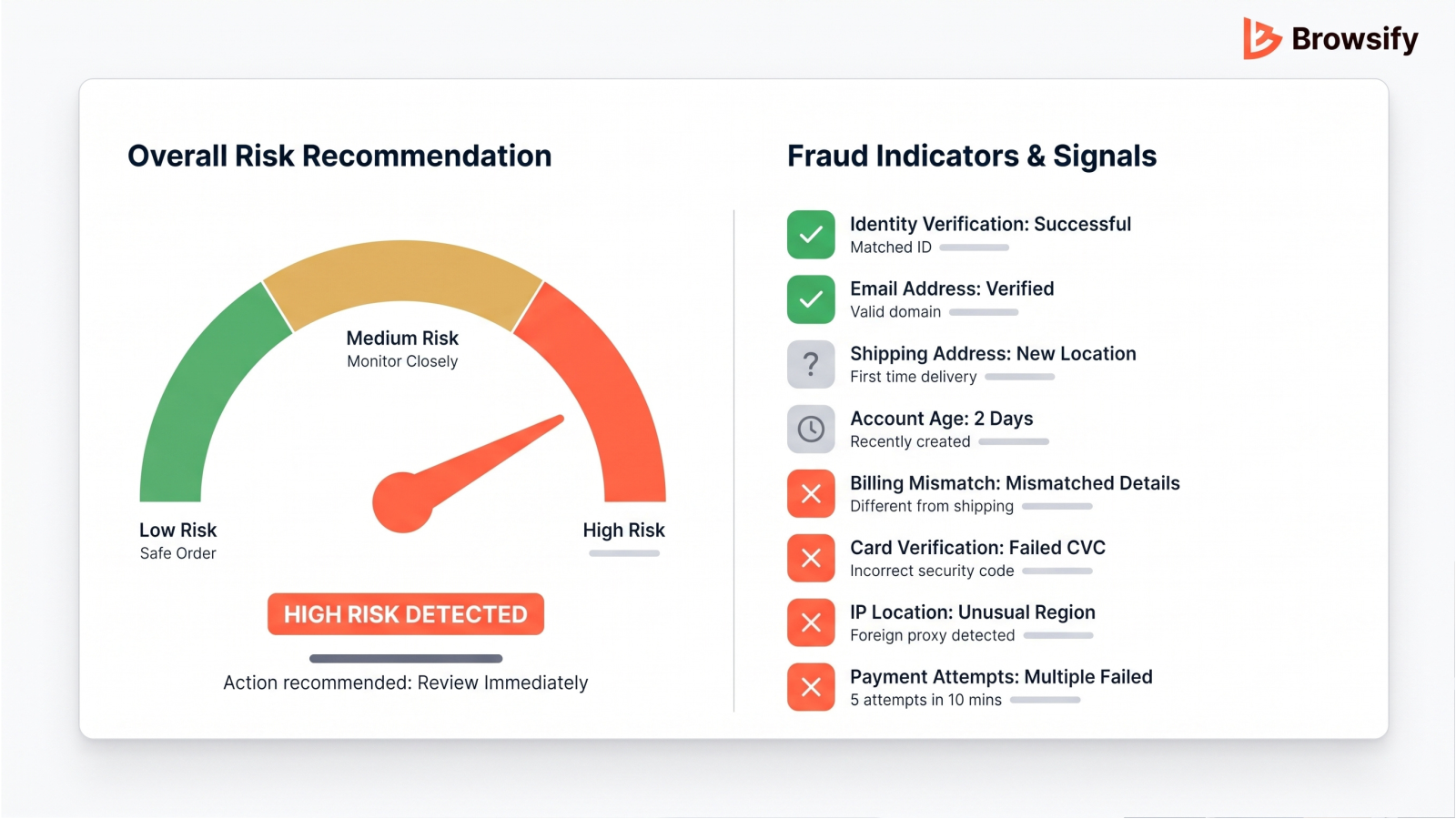
- Fraud recommendation the overall low/medium/high verdict that tells you how likely an order is to be fraudulent.
- Fraud indicators individual data points (green, red, and grey icons) that explain why. Green indicators reflect behavior common to legitimate orders, red indicators reflect behavior common to fraudulent ones, and grey indicators are neutral context.
The recommendation tells you the risk level; the indicators help you investigate. You need both to make a confident decision.
Important: Fraud analysis only works on online credit card orders that Shopify can verify. Orders processed offline or through some third-party gateways may not receive a recommendation at all so don't assume "no flag" always means "safe."
Why Dropshippers Are Especially Vulnerable
Every Shopify merchant faces fraud, but dropshipping carries structural risks that make high-risk orders more dangerous:
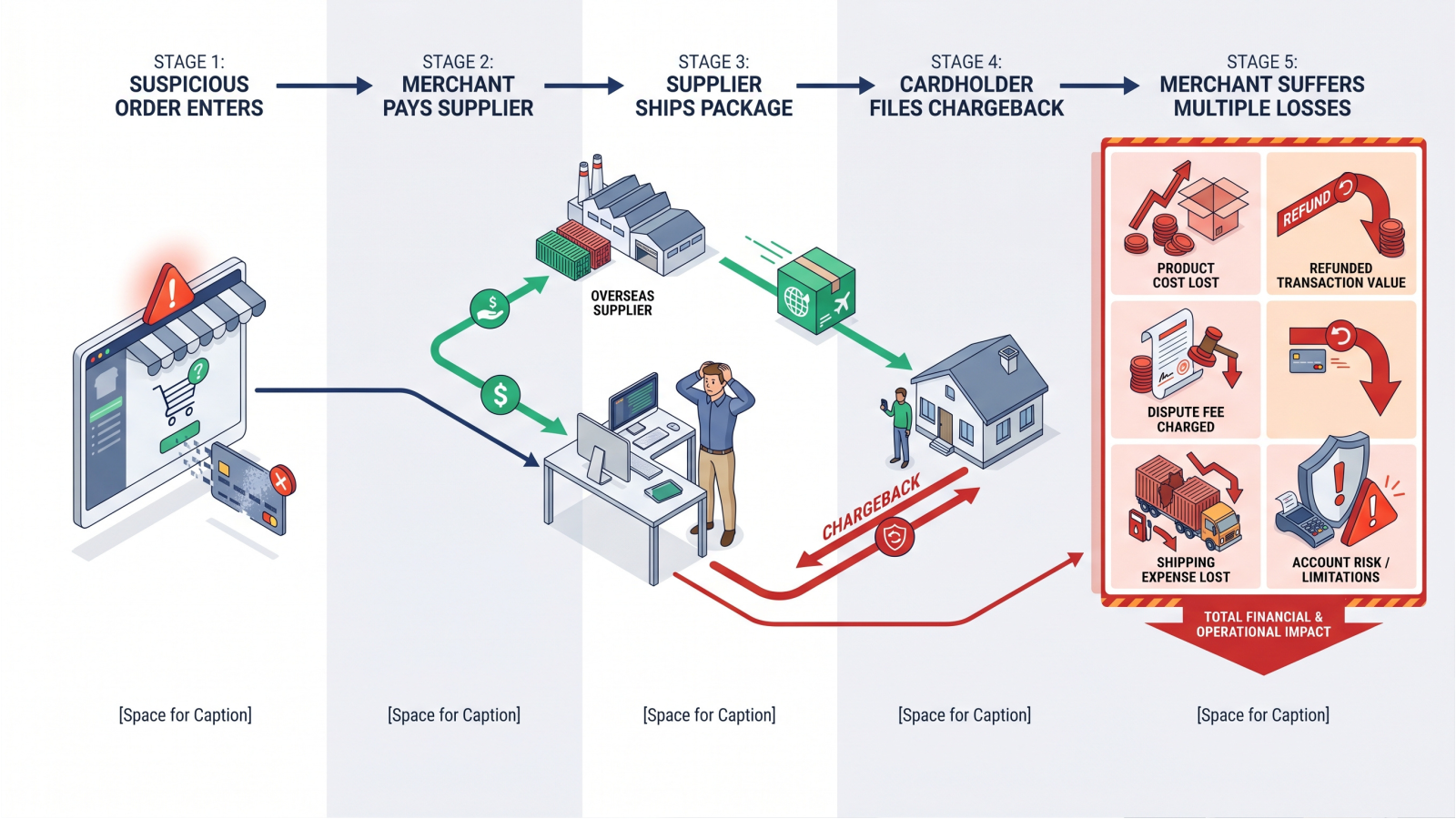
1. You pay before you get paid back. When a chargeback hits, you've usually already paid your supplier and shipped the product. You lose the product cost, the chargeback amount, and a dispute fee.
2. The dispute economics are brutal on low-ticket items. Payment processors now charge counter-dispute fees that can exceed the value of a small order. Fighting a chargeback on a $25 product can cost more in fees than the order was worth even if you win. For low-margin dropshippers, prevention is the only strategy that makes financial sense.
3. Long dispute windows. Some payment methods give buyers up to 180 days to file an "item not received" dispute. A product shipped in January can be disputed in June, long after you've moved on.
4. Expectation gaps fuel friendly fraud. Dropshipping often means longer shipping windows and products sourced from third parties. When delivery takes longer than the customer expected, "friendly fraud" a customer disputing a charge for an order they actually placed becomes far more common. According to recent industry reporting, a majority of merchants saw friendly fraud increase over the past year.
5. Dispute rates trigger account holds. Once your chargeback ratio drifts toward 0.5–0.75%, payment processors start imposing reserves, fund holds, or outright account shutdowns. Too many fulfilled high-risk orders is one of the fastest ways to get there.
The 8 Most Common High-Risk Order Red Flags
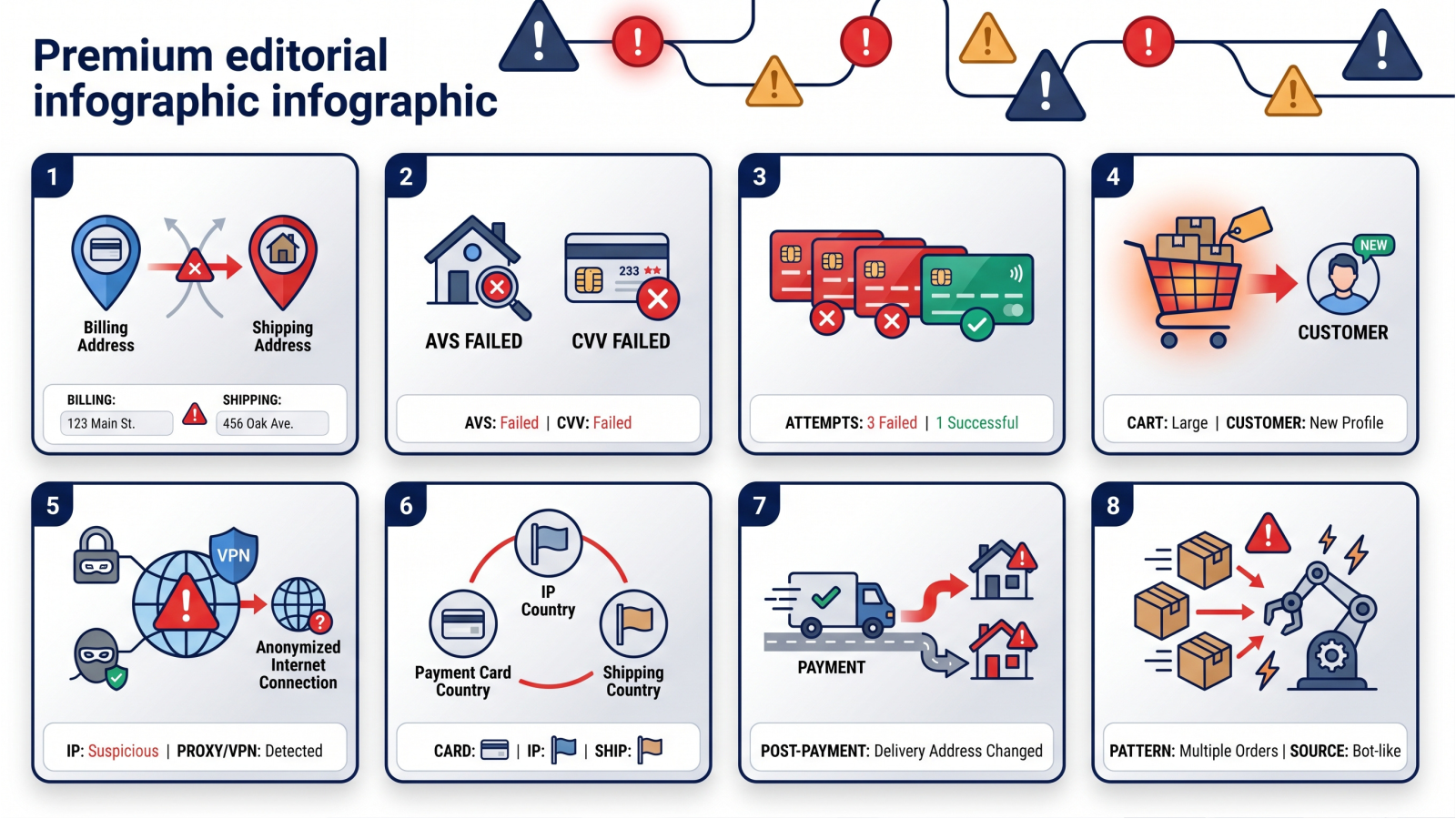
Shopify's analysis surfaces many of these automatically, but training your own eye helps you make smarter manual decisions. Here are the signals that should make your fraud sense tingle:
1. Billing and shipping address mismatch
A different billing and shipping address is one of the most reliable fraud indicators. It can mean a stolen card is being used to ship goods to the fraudster's own address. Always investigate before fulfilling.
2. Failed AVS or CVV checks
The Address Verification System (AVS) confirms the billing address matches the card, and CVV confirms the buyer physically has the card. Failed checks are strong red flags that the buyer may not be the legitimate cardholder.
3. Multiple credit card attempts
If a single order or customer shows several declined cards before one goes through, that's a classic sign of card testing fraudsters validating stolen card numbers against your store.
4. A large first order from a new visitor
Once a criminal confirms a stolen card works, they move fast to extract maximum value before the card is reported. An unusually large order from a brand-new customer deserves scrutiny.
5. Suspicious IP and location signals
A red IP indicator, a customer's IP located far from the shipping address, or use of anonymizing tools (proxies, VPNs, TOR) can all indicate someone hiding their true location.
6. Card country doesn't match IP or shipping country
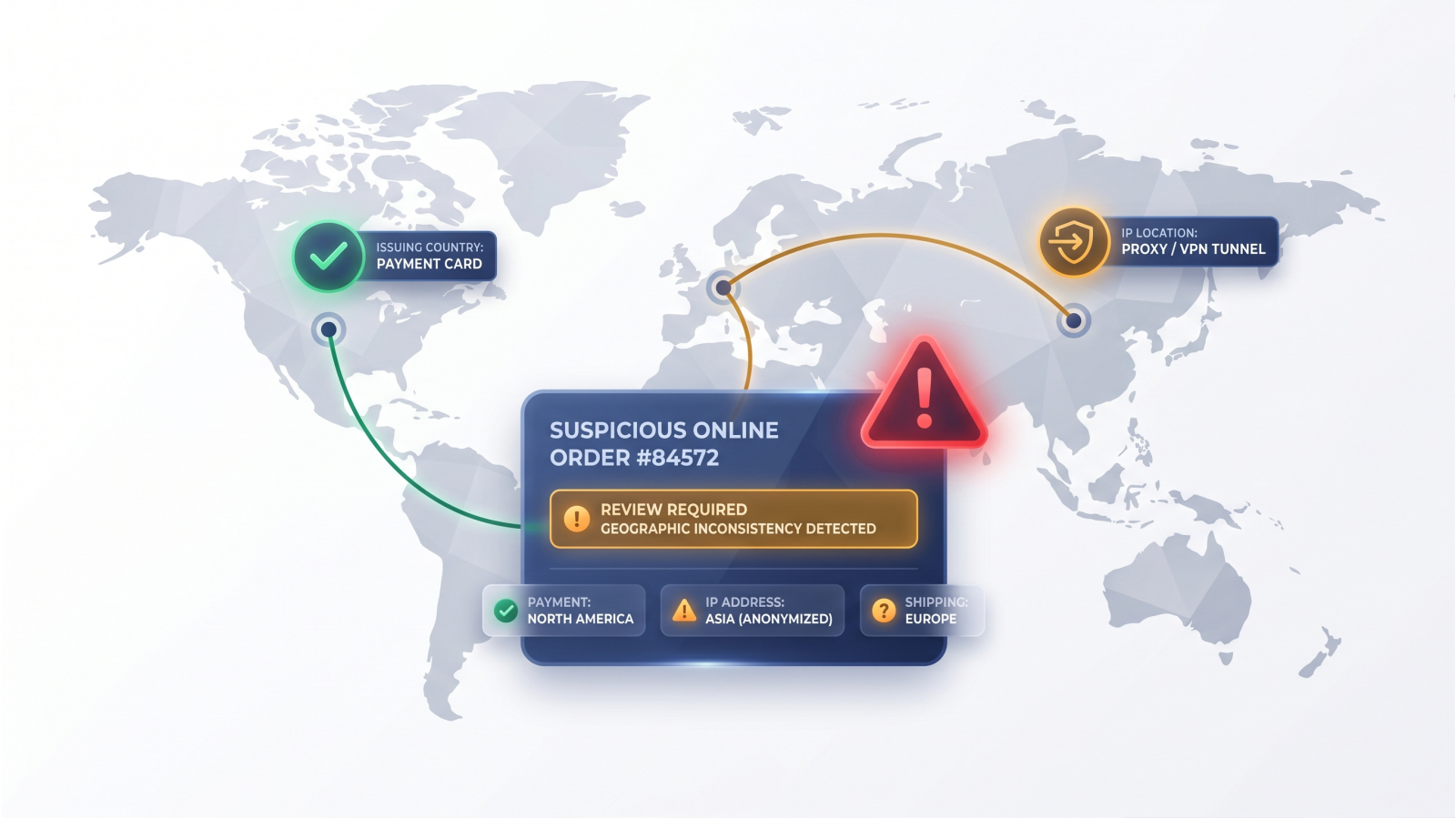
When the card's issuing country, the IP location, and the shipping destination all disagree, the order warrants verification.
7. Shipping address changed after the order
Package rerouting after purchase is one of the oldest tricks in the fraudster playbook. Treat post-order address changes with caution.
8. Rushed or rapid-fire ordering behavior
Several orders placed in a very short window, or repeated checkout attempts, often indicate automated bot activity rather than a genuine shopper.
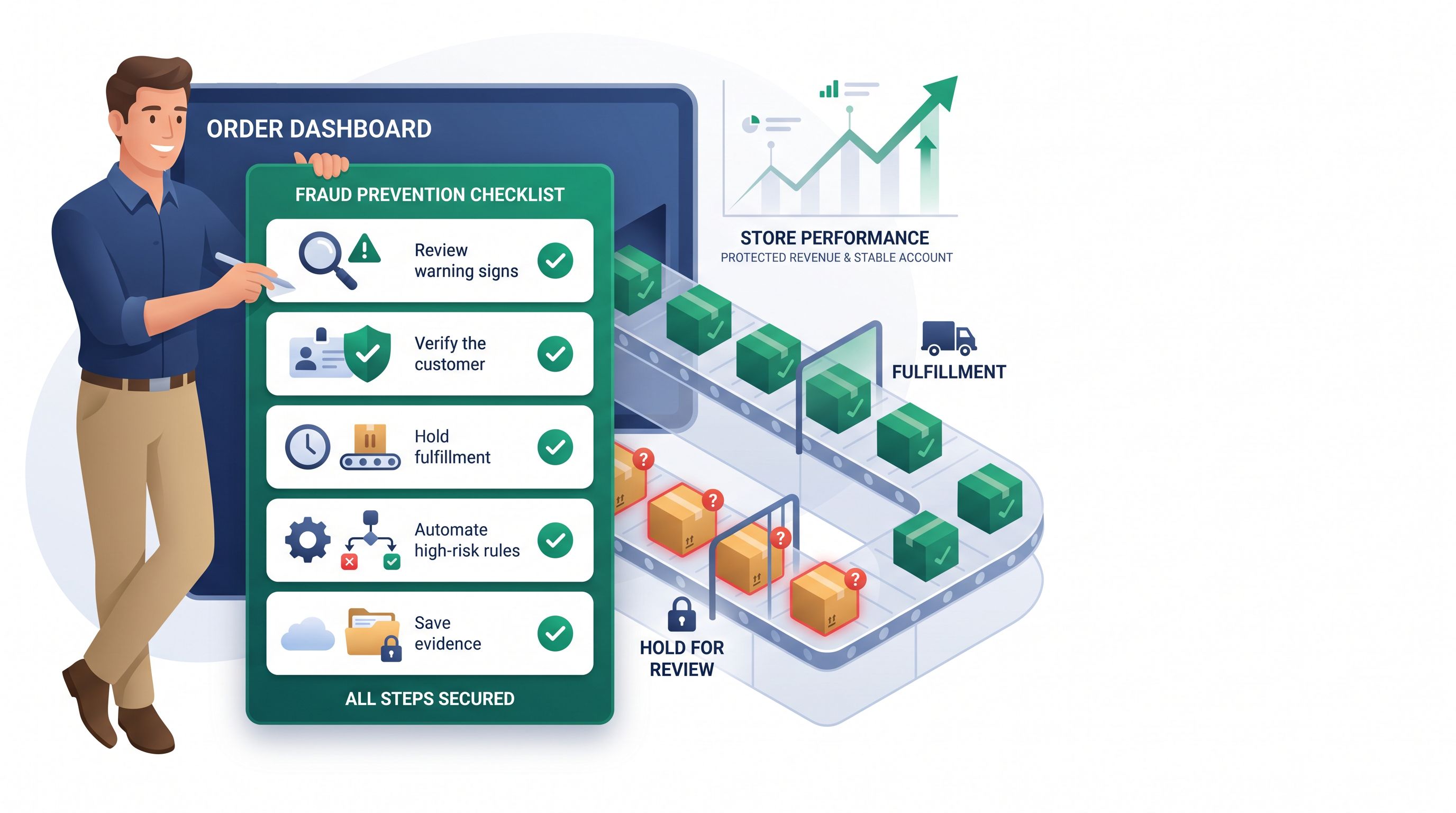
How to Handle a High-Risk Order: A Step-by-Step Workflow
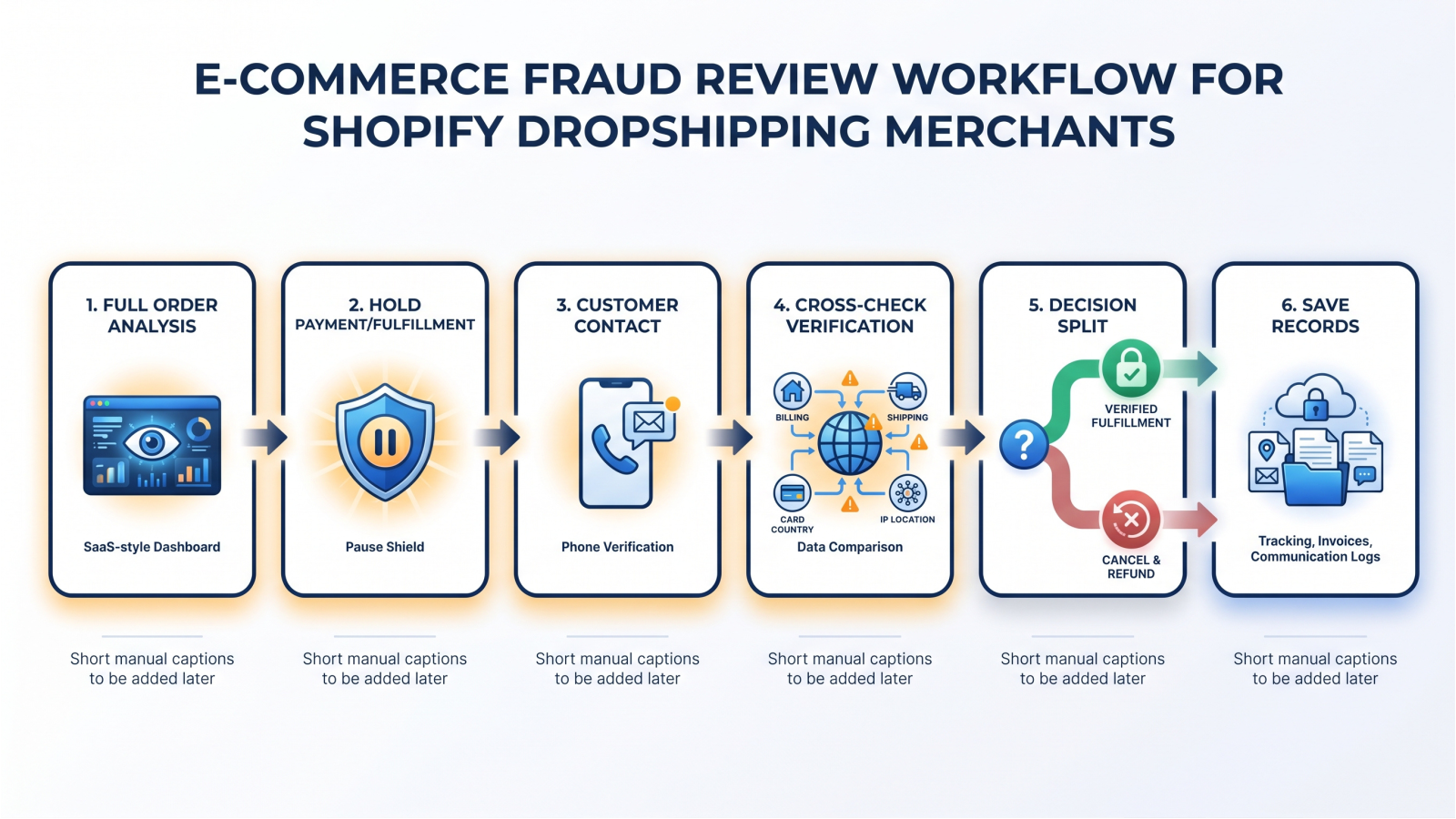
When you find a flagged order, resist the urge to either ship it blindly or cancel it on impulse. Legitimate customers do sometimes trip the filters. Follow this workflow instead:
Step 1 Open the full fraud analysis. In your Shopify admin, go to Orders, click the flagged order, and in the Order risk section click the fraud analysis icon to see every indicator. Read the red indicators first.
Step 2 Verify before you ship. Consider setting up manual payment capture so you can investigate orders before charging the card. This single setting gives you a window to act before money and product leaves your hands.
Step 3 Contact the customer. Reach out by email or phone to confirm the order details. Genuine customers will usually respond and verify; fraudsters typically go silent. A quick phone call is, in my experience, one of the most effective filters there is.
Step 4 Cross-check the details. Compare billing vs. shipping address, the card country, and the IP location. Look for the patterns above. If multiple red flags stack up and the customer won't verify, treat it as fraud.
Step 5 Cancel and refund what you can't verify. If you can't confirm legitimacy, cancel and refund the order. Losing one sale is far cheaper than absorbing a chargeback plus dispute fee plus product cost.
Step 6 Document everything. For any order you do fulfill, keep tracking numbers, supplier invoices, and customer communications. This documentation is your evidence if a dispute is filed later.
How to Prevent High-Risk Orders Before They Happen
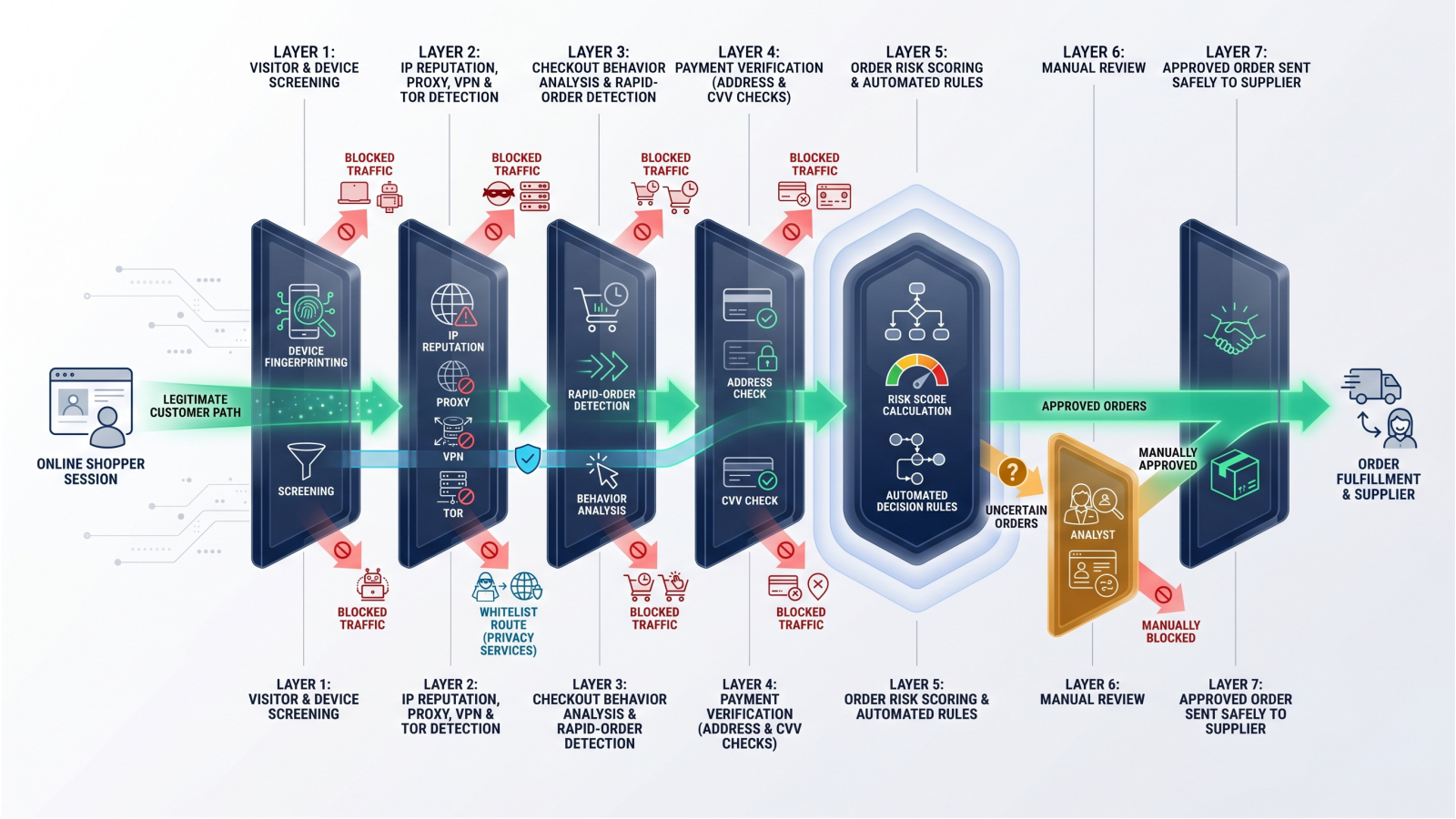
Reacting to flags one by one doesn't scale. Build prevention into your store so most fraud never reaches checkout:
Automate with Shopify Flow. You can create fraud-prevention workflows that automatically hold, tag, or cancel orders that meet high-risk criteria saving you from manual review on every order.
Use a dedicated fraud-prevention app. Shopify's native analysis is a solid starting point but is intentionally general. Dedicated apps add deeper screening device fingerprinting, IP and proxy/VPN detection, visitor risk scoring, and automatic blocking of high-risk traffic before it can place an order. This is especially valuable for dropshippers, where stopping the order before you pay the supplier is the whole game.
Block anonymizing traffic. Proxies, commercial VPNs, and TOR connections are disproportionately associated with fraud. Detecting and blocking anonymous sessions cuts a major fraud vector just be sure to whitelist legitimate privacy tools like Apple's iCloud Private Relay to avoid blocking real customers.
Close the expectation gap. Since friendly fraud thrives on disappointed expectations, use clear billing descriptors, honest delivery timelines, proactive tracking emails, and an easy refund policy. Many disputes are really just communication failures.
Tune your risk thresholds carefully. A lower auto-block threshold stops more fraud but risks false declines on good customers; a higher one is more lenient. Review flagged orders periodically and adjust to your store's actual risk profile.
The Cost of False Positives (Don't Overcorrect)
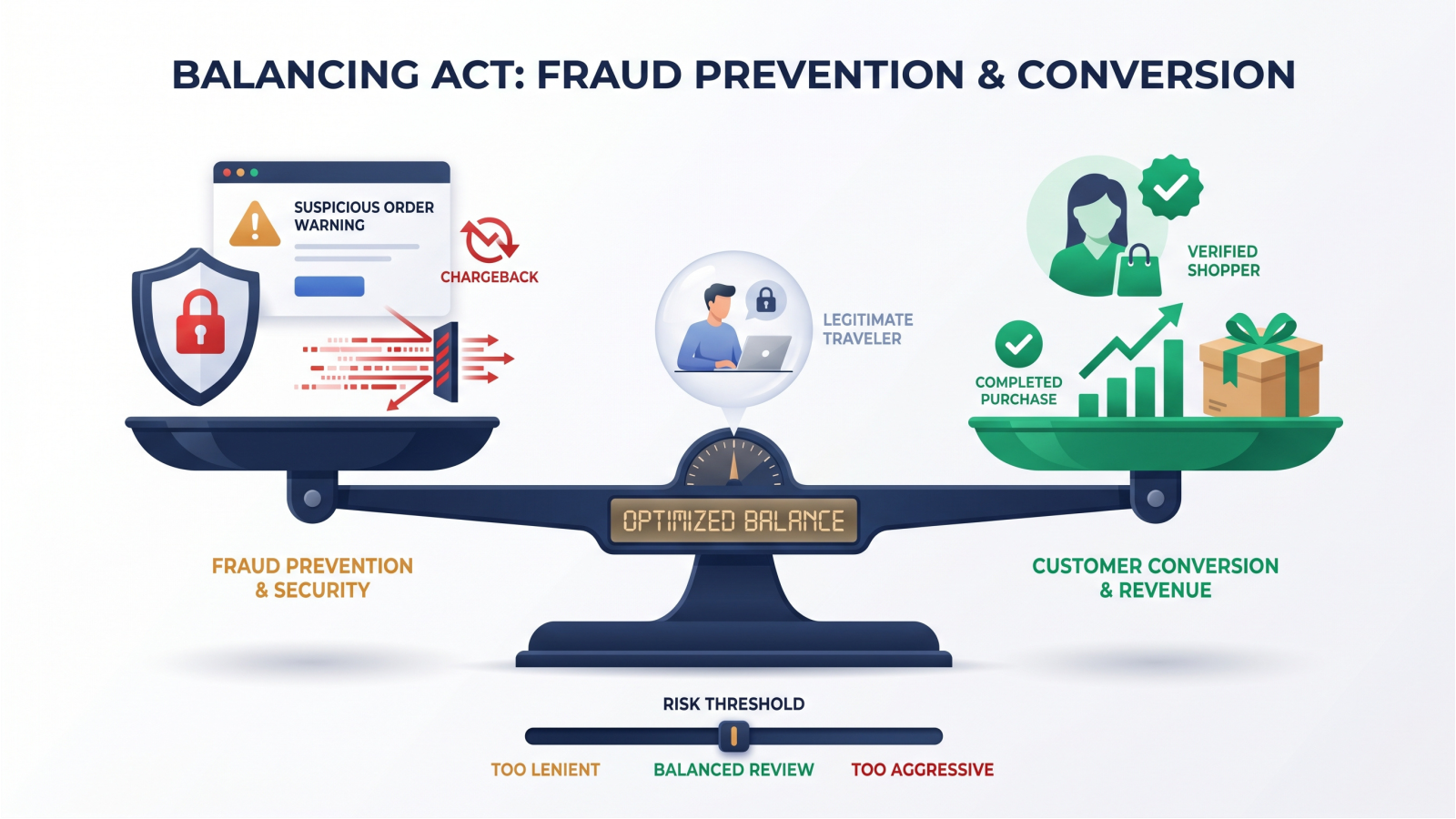
One caution from experience: blocking too aggressively is its own expensive mistake. A first-time buyer placing a large order while traveling abroad on a VPN can look identical to a fraudster but they're a real customer about to be turned away. Every legitimate order you wrongly decline is lost revenue and a lost lifetime customer.
The goal isn't to block everything risky. It's to review the right orders, verify efficiently, and reserve cancellation for orders you genuinely can't confirm. Balance security against conversion, and revisit your settings as your store grows.
Frequently Asked Questions
Does Shopify automatically cancel high-risk orders? No. Shopify flags high-risk orders, but it does not cancel them for you you still have to review and decide. You can automate cancellation using Shopify Flow or a third-party app if you want hands-off handling.
Will I always lose a chargeback on a fulfilled high-risk order? Not always, but the odds are poor, and the decision to reverse funds rests with the card-issuing bank, not Shopify. Shopify helps you gather evidence, but it doesn't cover bank charge reversals.
Can a high-risk order ever be legitimate? Yes. Genuine customers do get flagged for example, when using a VPN, traveling, or shipping a gift to a different address. That's exactly why you verify before canceling rather than auto-rejecting.
How do I test fraud analysis on my store? Shopify provides test email addresses and test address values that simulate high, medium, and low-risk recommendations in test mode, so you can see how flagged orders appear before going live.
Final Thoughts
For a dropshipper, a high-risk order isn't just a warning it's a decision point that directly affects your margins and your payment account's survival. Treat every flag as a prompt to investigate, not an instruction to ship.
Master the red flags, verify before you fulfill, automate the obvious cases, and close the expectation gaps that breed friendly fraud. Do that consistently, and high-risk orders shift from a recurring threat into a routine, manageable part of running a healthy store.
This article is for general educational purposes and reflects common e-commerce fraud-prevention practices; it isn't legal or financial advice. Always confirm current Shopify features and your payment processor's policies, as they change over time.
Related Guides
- Stop Fake Orders on Shopify The complete guide to identifying and blocking fraudulent orders.
- Chargeback Protection Prevent the chargebacks that hit dropshippers twice as hard.
- VPN & Proxy Blocking Block the anonymized traffic behind many high-risk orders.
- Automatic Fraud Blocking Set up rules that protect your store 24/7 without manual review.